Discover sculptural vases, statement planters, decorative art and luxury tabletop accessories.
Explore styling ideas for premium apartments, villas, offices and hospitality interiors.
ANKITA COMPANY Mumbai brings decorative detailing into integrated interior design consultation.
1. Luxury Decorative Styling for Modern Mumbai Interiors
Luxury interior design is not defined by expensive furniture alone. It emerges through the relationship between architectural planning, material selection, lighting, furniture and carefully chosen decorative objects. A sculptural brass vase, an abstract bronze artwork, a refined marble tray or a textured ceramic planter can introduce character into an otherwise minimal room.
In Mumbai, premium apartments, penthouses, villas, bungalows and hospitality properties increasingly call for interiors that feel distinctive, comfortable and thoughtfully composed. Rather than filling rooms with accessories, contemporary decorative styling focuses on visual balance, craftsmanship, texture and carefully positioned statement pieces.
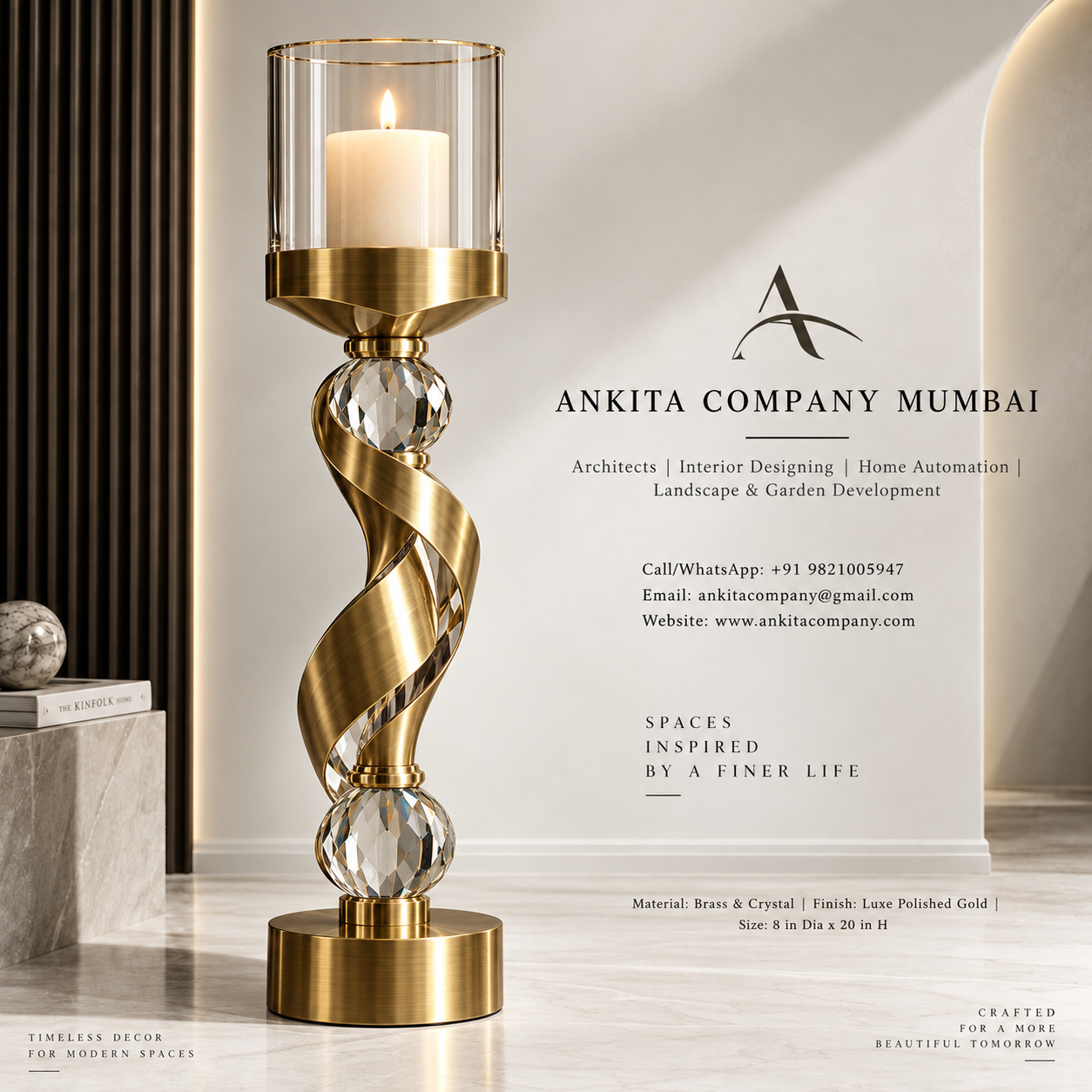
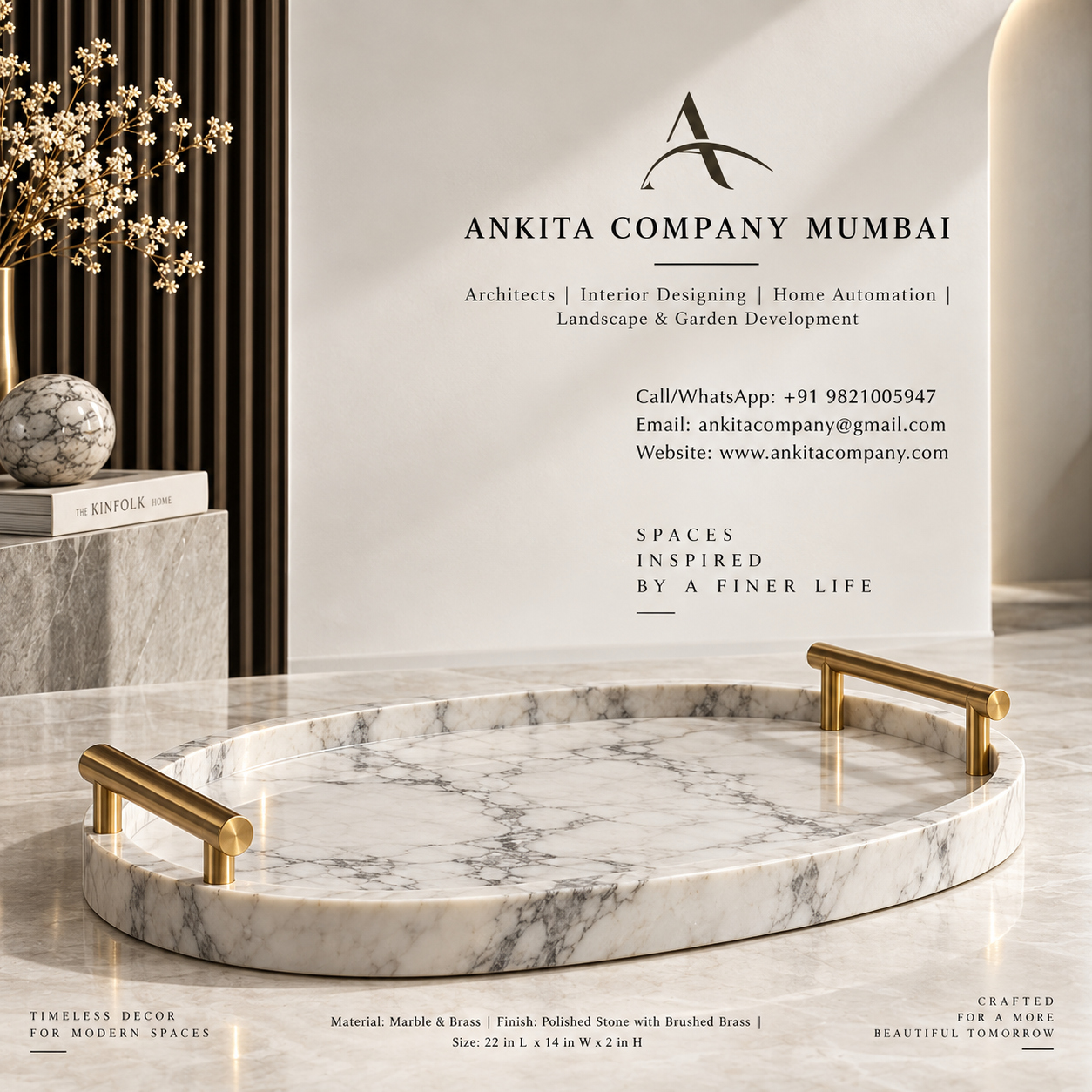
The visual collection presented by ANKITA COMPANY Mumbai explores this approach through luxury floor vases, architectural planters, abstract sculptures, carved stone bowls, walnut trays, marble accessories and polished brass candleholders.
Each concept demonstrates how a decorative object can become part of a larger interior composition.
From a statement vase in a double-height foyer to an elegant planter beside a reception desk, premium décor contributes to atmosphere, personal expression and architectural identity.
The objective is not simply to decorate a space but to create a considered relationship between objects, people and their surroundings.
2. What Are Luxury Interior Décor Styling Services?
Luxury interior décor styling is the process of selecting, positioning and coordinating decorative elements within residential or commercial interiors.
It connects the finishing details of a room with its overall architectural and interior design concept.
A professional styling approach may include statement accessories, decorative sculptures, designer vases, planters, tabletop objects, artwork, accent lighting and material coordination.
For example, a modern living room featuring natural stone flooring and walnut furniture may benefit from antique bronze sculptures or brushed brass accents. A minimalist ivory interior could instead use textured ceramic pieces to create interest without overwhelming the space.
Decorative styling should consider the scale of furniture, circulation areas, lighting conditions, colour relationships and practical maintenance.
For clients planning a luxury apartment, villa, office or hotel, this process helps create interiors in which architectural finishes, furnishings and smaller design elements work together.
ANKITA COMPANY Mumbai approaches decorative styling in the context of its wider architecture, interior designing, home automation, and landscape and garden development services.
3. Sculptural Forms, Materials and the Language of Luxury Décor
The most distinctive feature of the accompanying collection is its use of sculptural form.
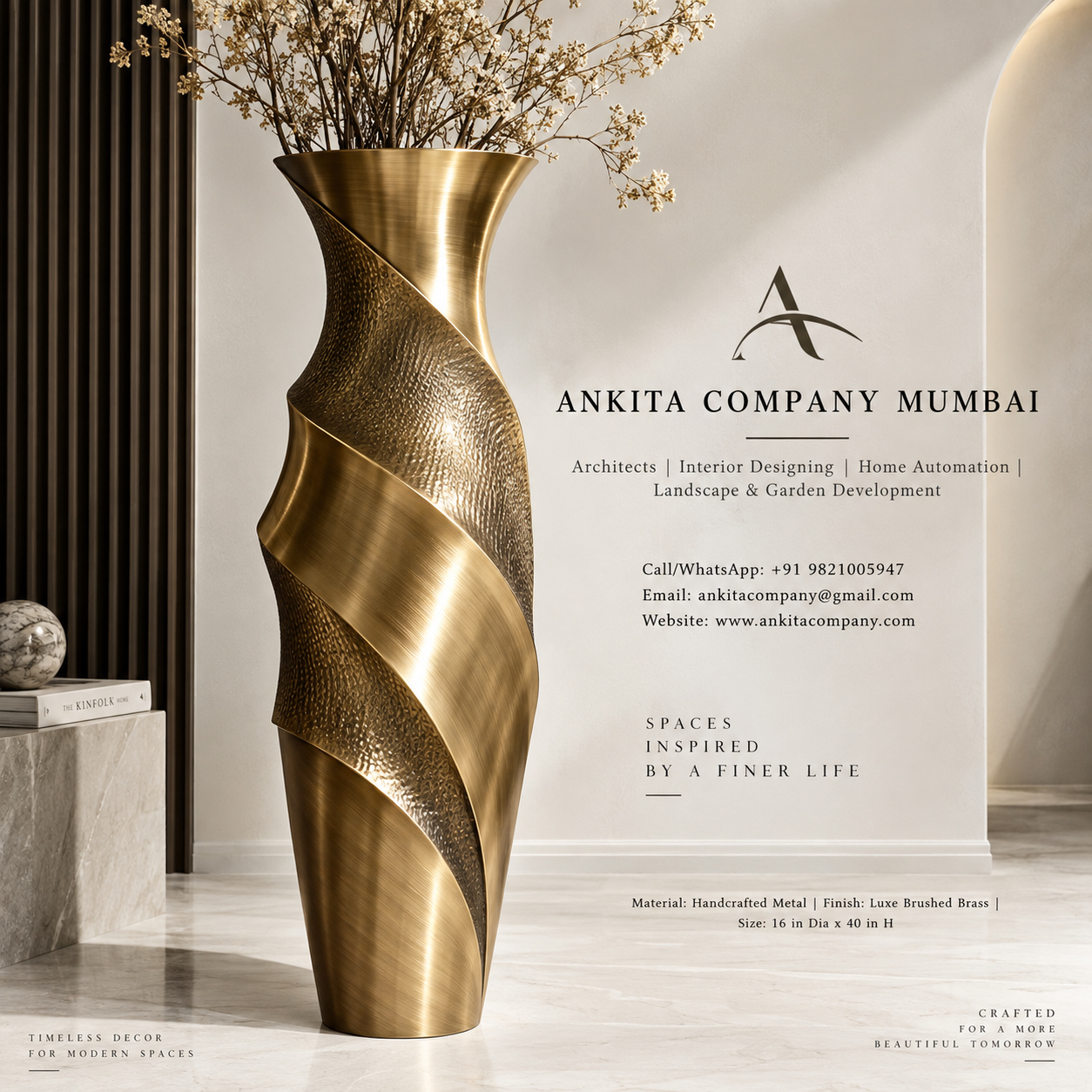
The brushed brass floor vase introduces a tall, twisting silhouette with contrasting smooth and hammered-looking metallic surfaces. Its vertical profile makes it visually appropriate for spacious foyers, console arrangements and architectural corners.
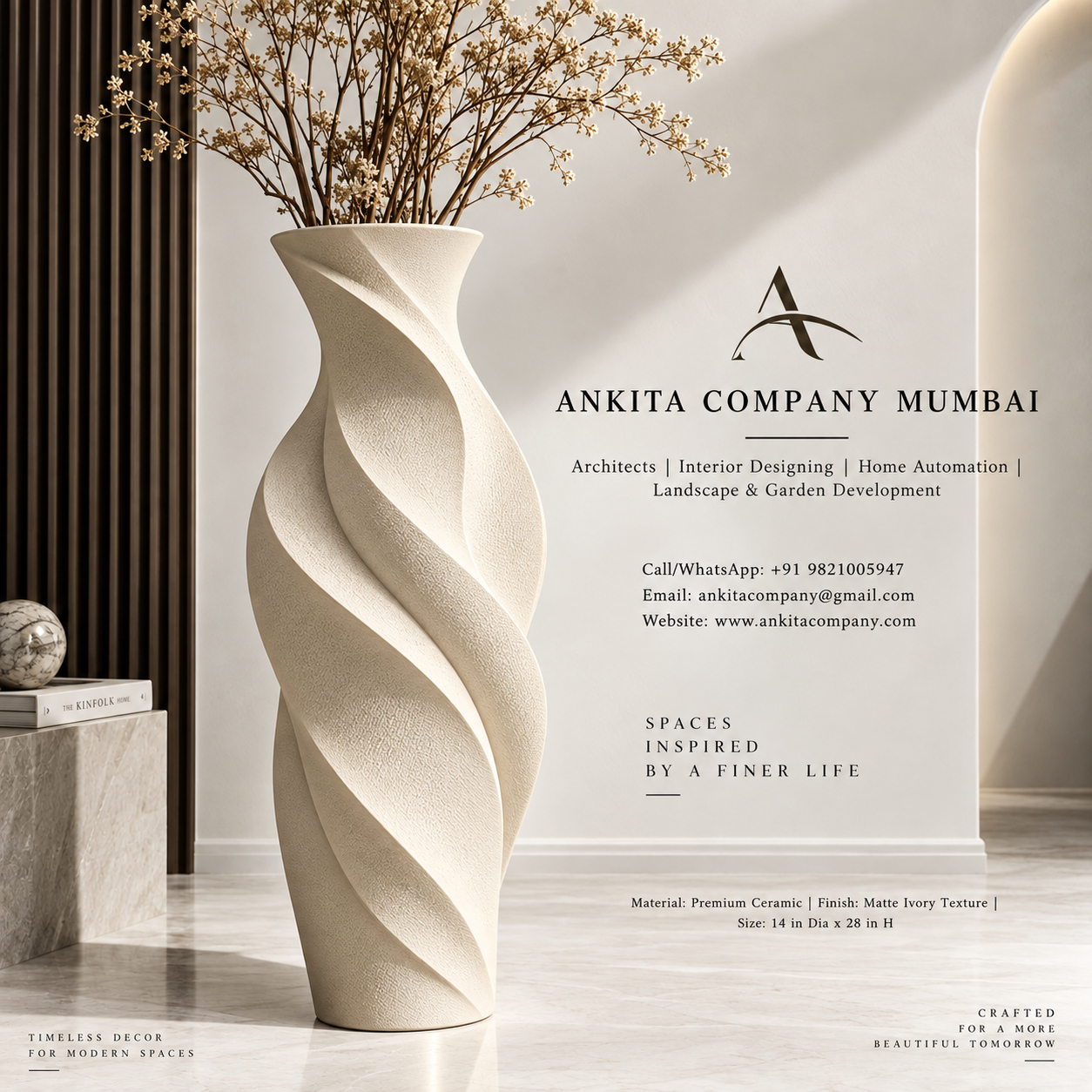
The matte ivory ceramic vase explores a softer interpretation of the spiral form. Its textured surface and organic geometry complement warm minimalist interiors, modern bedrooms and serene residential environments.
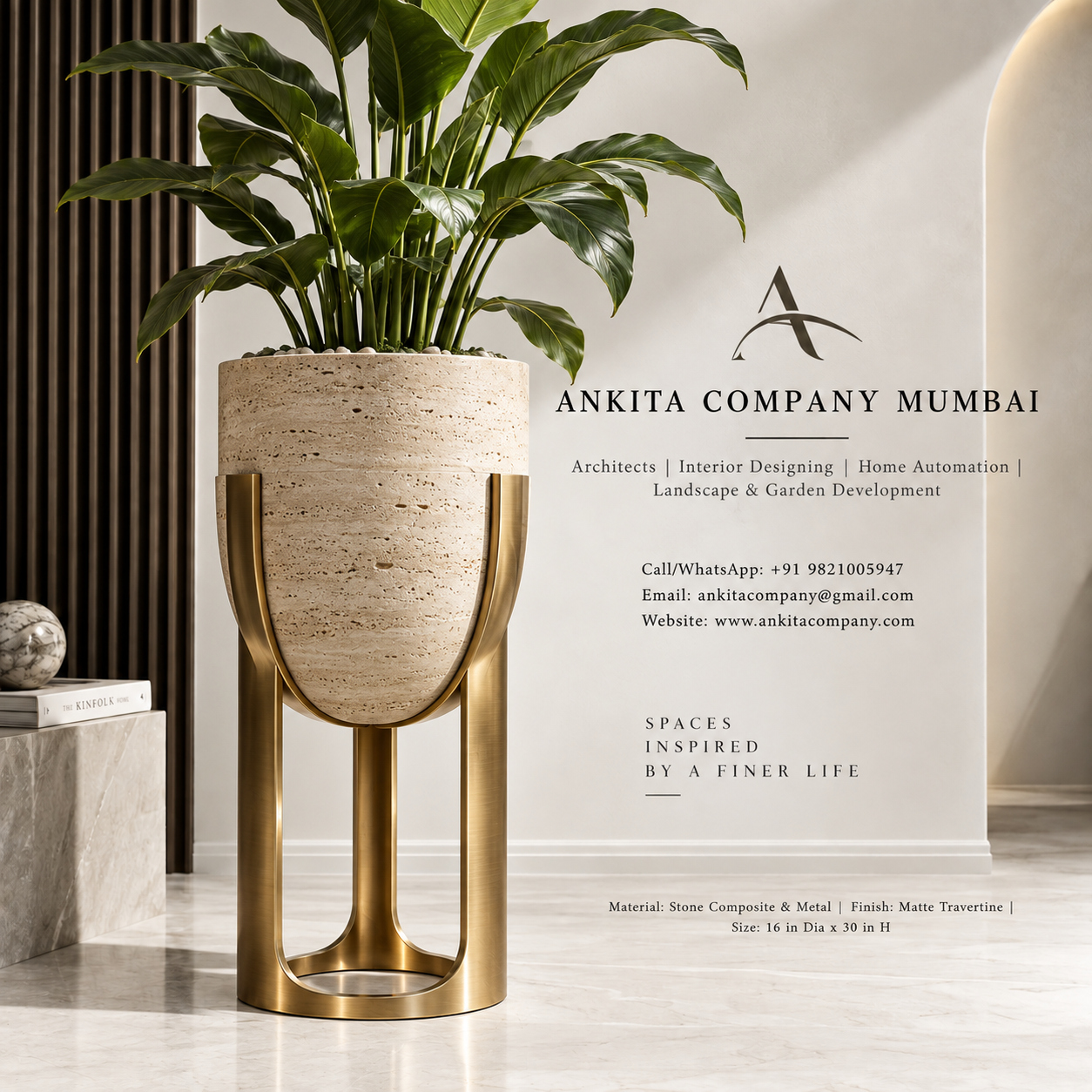
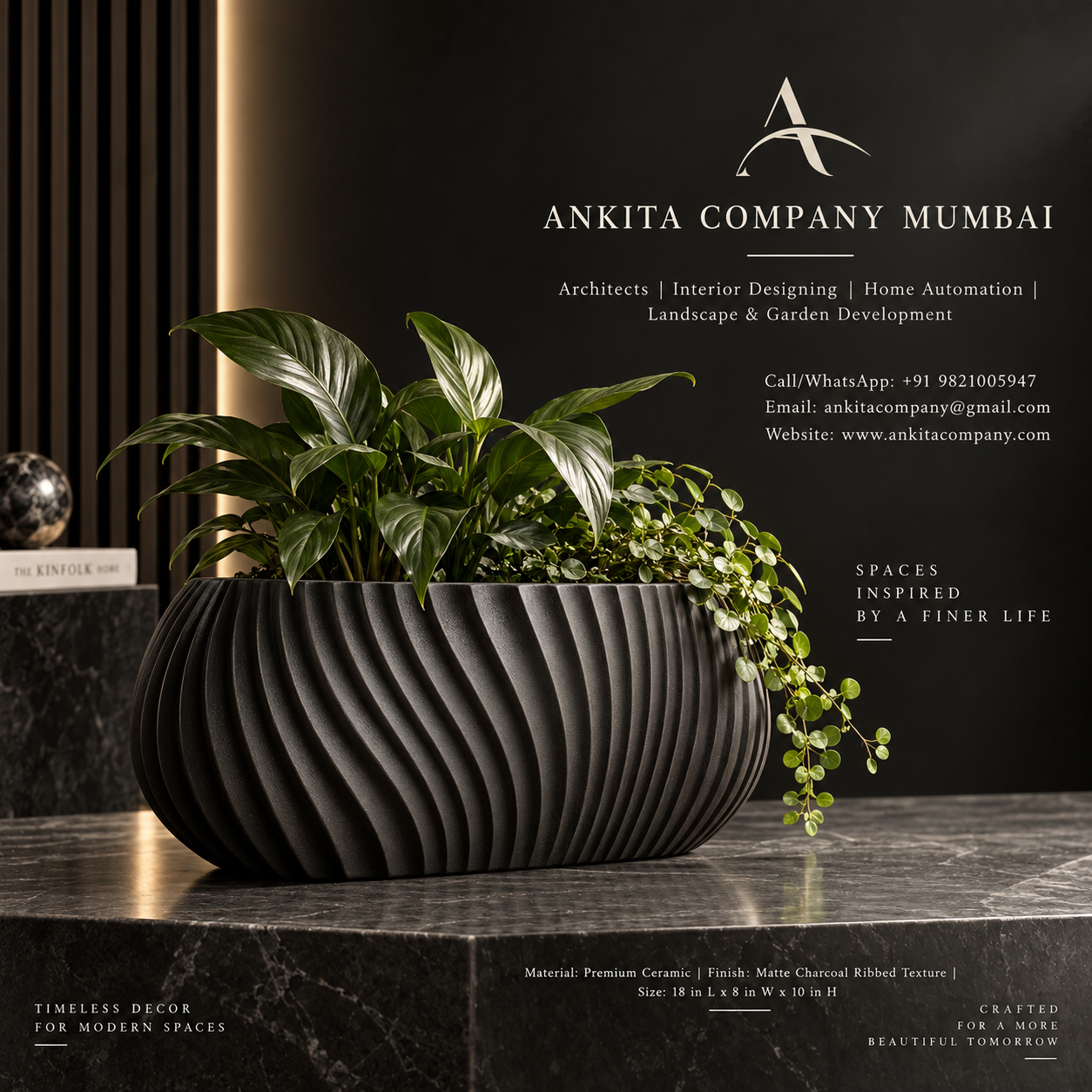
For greenery, the charcoal ribbed planter introduces a horizontal composition, while the travertine-look planter with a gold-toned support adds height and a more architectural character.
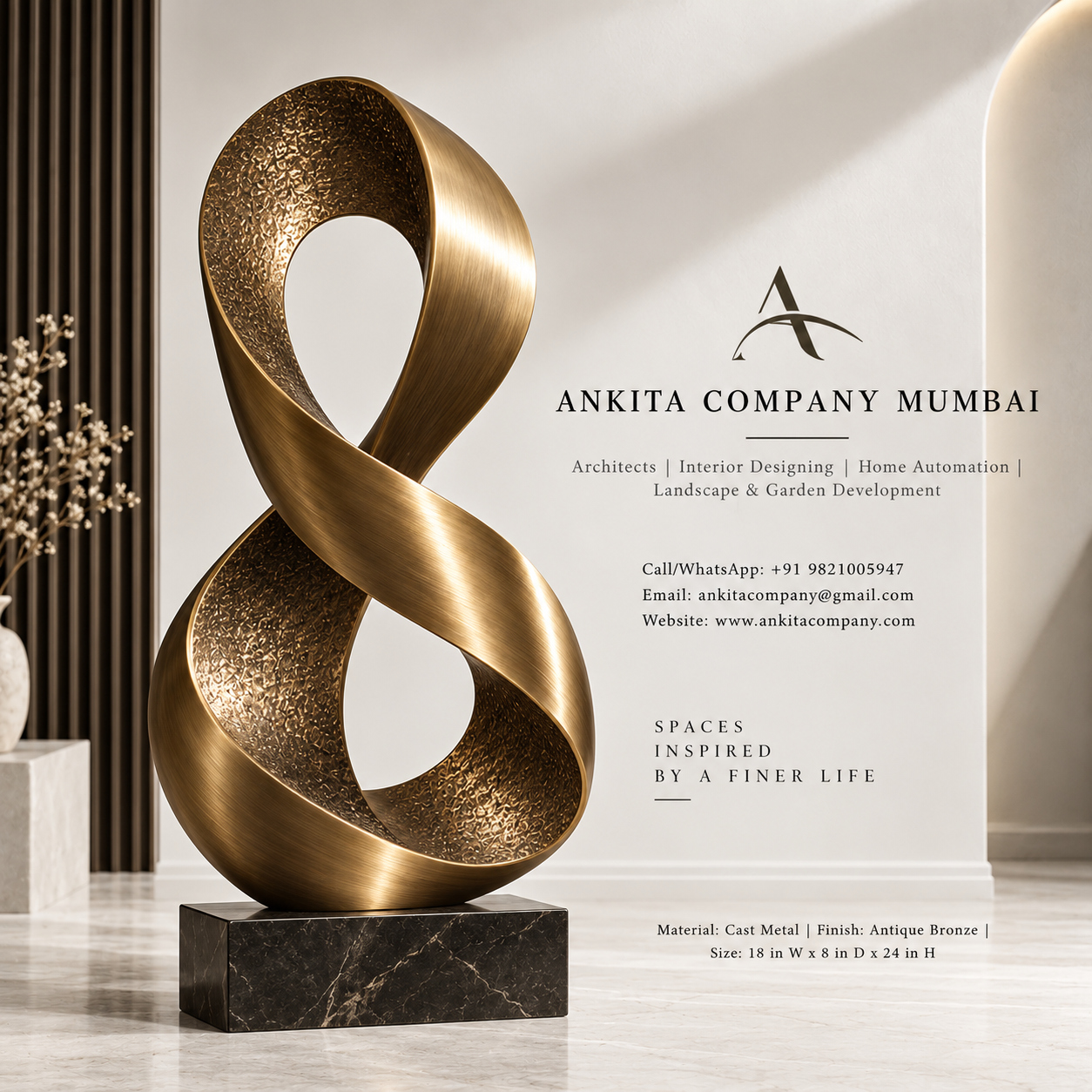
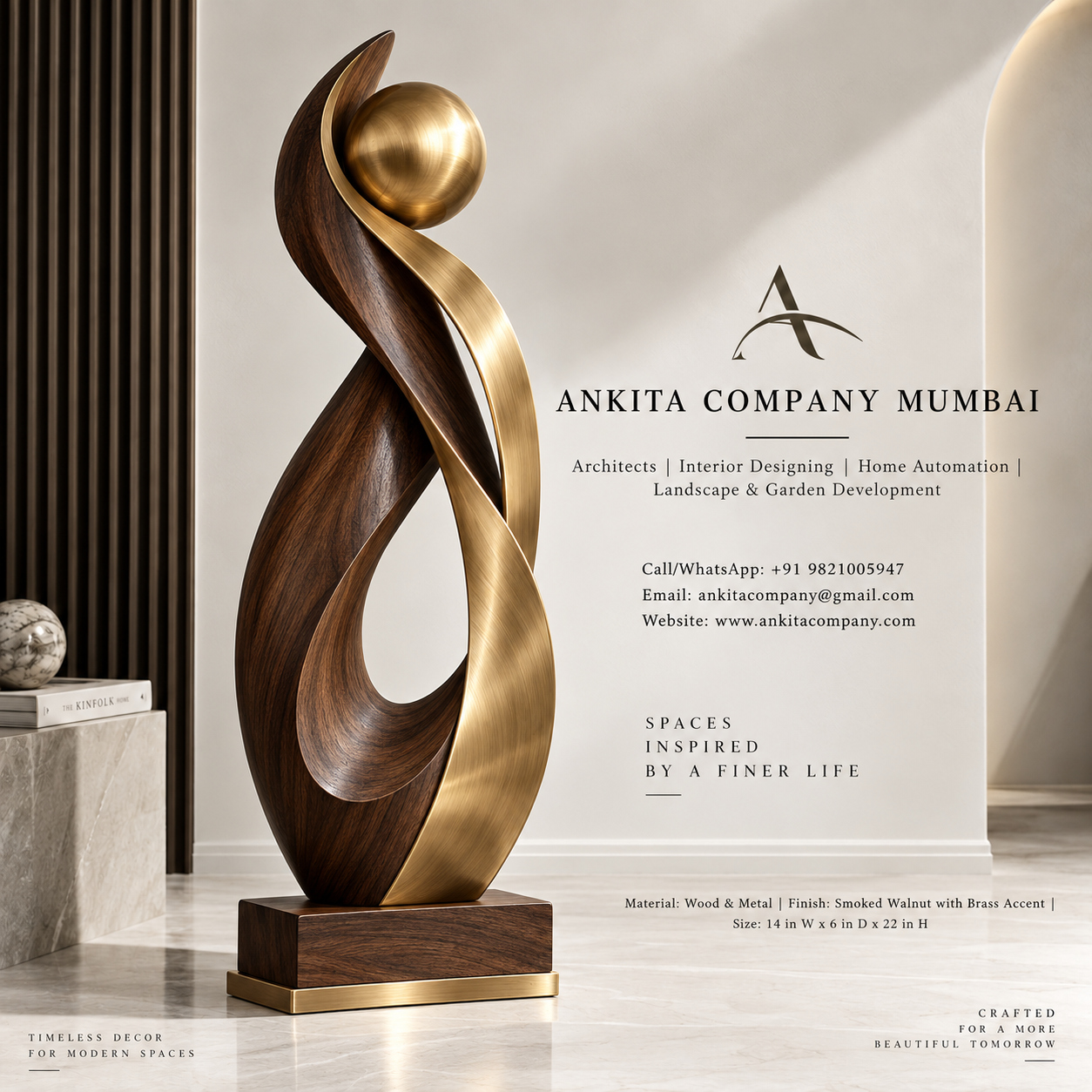
The abstract metal sculptures extend this visual language. One combines flowing bronze forms with a dark stone-look plinth; another brings together walnut-coloured surfaces and metallic gold accents.
These objects illustrate an important interior design principle: a decorative accessory should relate to the room’s proportions, finishes and intended visual experience.
The surrounding imagery also demonstrates how warm architectural lighting, neutral wall finishes, marble surfaces and dark timber detailing can enhance the presence of decorative objects.
4. Creating Comfort and Character Through Premium Home Accessories
Decorative objects influence how a space feels, even when they have no major structural function.
A sculptural vase can soften a sharp architectural corner. A wooden tray can make a coffee table feel more welcoming and organised. A decorative bowl may introduce natural texture into a polished contemporary interior.
Indoor planters create a connection with greenery, while carefully placed candleholders can establish a more intimate atmosphere when used with suitable lighting and safety provisions.
These details become particularly meaningful in modern Mumbai homes, where living rooms, dining spaces and entrance areas often perform multiple functions.
The purpose of premium home styling is to achieve comfort without visual clutter.
Accessories should complement existing furniture rather than compete with it. The relationship between a sofa, coffee table, decorative tray, accent light and wall finish is often more important than the cost of any individual piece.
Thoughtful styling allows a residential or commercial interior to feel personal, refined and complete.
5. Where Luxury Decorative Objects Work Best
Luxury decorative accessories can enhance many types of interiors, provided their scale and placement are carefully considered.
Premium apartments and penthouses: Sculptural vases, statement trays and compact abstract artworks can create focal points within living rooms, dining areas and private lounges.
Villas and bungalows: Larger floor vessels, elevated planters and substantial sculptures can complement entrance foyers, staircases, hallways and double-height spaces.
Corporate offices: Abstract sculptures, decorative planters and understated metallic accents can enhance reception desks, executive cabins, meeting lounges and visitor-facing interiors.
Hotels and hospitality properties: Designer planters, sculptural accessories and statement arrangements can support distinctive lobby, restaurant and guest-lounge concepts.
Retail showrooms and boutiques: Decorative objects can contribute to visual merchandising, premium product presentations and brand-oriented interior styling.
Residential terraces and garden-facing rooms: Appropriate indoor-outdoor decorative elements can help connect interior spaces with greenery and landscape design.
Successful placement depends on available space, circulation clearances, stability, environmental exposure and the intended experience of occupants or visitors.
6. Who Benefits from Bespoke Interior Décor Consultation?
Decorative styling is relevant to clients who want their spaces to feel complete rather than merely furnished.
Homeowners may seek statement accessories to coordinate with new furniture, flooring and wall treatments. Villa and bungalow owners may require larger decorative elements that suit spacious architectural layouts.
Architects and interior designers may need assistance evaluating materials, colours and object proportions for project-specific installations.
Developers can use well-composed decorative schemes to support model apartment presentations, clubhouse interiors and premium common spaces.
Hospitality operators may require coordinated decorative concepts across reception areas, lounges, restaurants and suites.
Commercial property owners and showroom operators may prioritise pieces that communicate an appropriate brand identity while remaining easy to maintain.
NRIs planning properties in Mumbai may also value a coordinated design consultation process that brings together interior concepts, accessory selection and execution planning.
In every case, the purpose is to select accessories that suit the project’s architecture, usage, budget and visual objectives.
7. How Premium Interior Accessories Support Property Appeal
Well-designed decorative styling can contribute to the perceived quality and attractiveness of a property.
An inviting foyer creates a positive first impression. A carefully arranged living room can feel more spacious and harmonious. A coordinated hospitality environment may improve the overall guest experience.
However, decorative accessories do not automatically increase resale value. Their contribution is strongest when they complement durable architectural finishes, functional planning and the expectations of potential occupants.
For premium residences, a consistent material palette can help rooms feel connected. For commercial interiors, carefully selected decorative elements can reinforce an organisation’s desired identity.
Maintenance also matters.
A large decorative piece that obstructs circulation or requires complicated upkeep may reduce usability rather than improve it.
Premium styling should therefore balance appearance with practicality, considering factors such as object weight, accessibility, cleaning, replacement and future refurbishment.
This approach supports attractive, usable interiors that remain relevant beyond a short-lived design trend.
8. Premium Materials: Brass, Ceramic, Marble, Walnut and Natural Stone
Material selection is central to luxury interior décor.
The accompanying visuals demonstrate several contrasting material families, each with its own aesthetic and practical considerations.
Brass and decorative metal
Brushed brass introduces warmth and subtle reflection. Antique bronze offers a darker, more traditional appearance, while polished gold finishes create stronger visual contrast.
Such finishes are often effective against ivory plaster, dark walnut, charcoal stone and neutral upholstery.
Premium ceramic
Matte ivory ceramic creates a soft, understated appearance suitable for minimalist interiors. Ribbed charcoal ceramics introduce deeper tonal contrast and tactile surface detail.
Marble and limestone
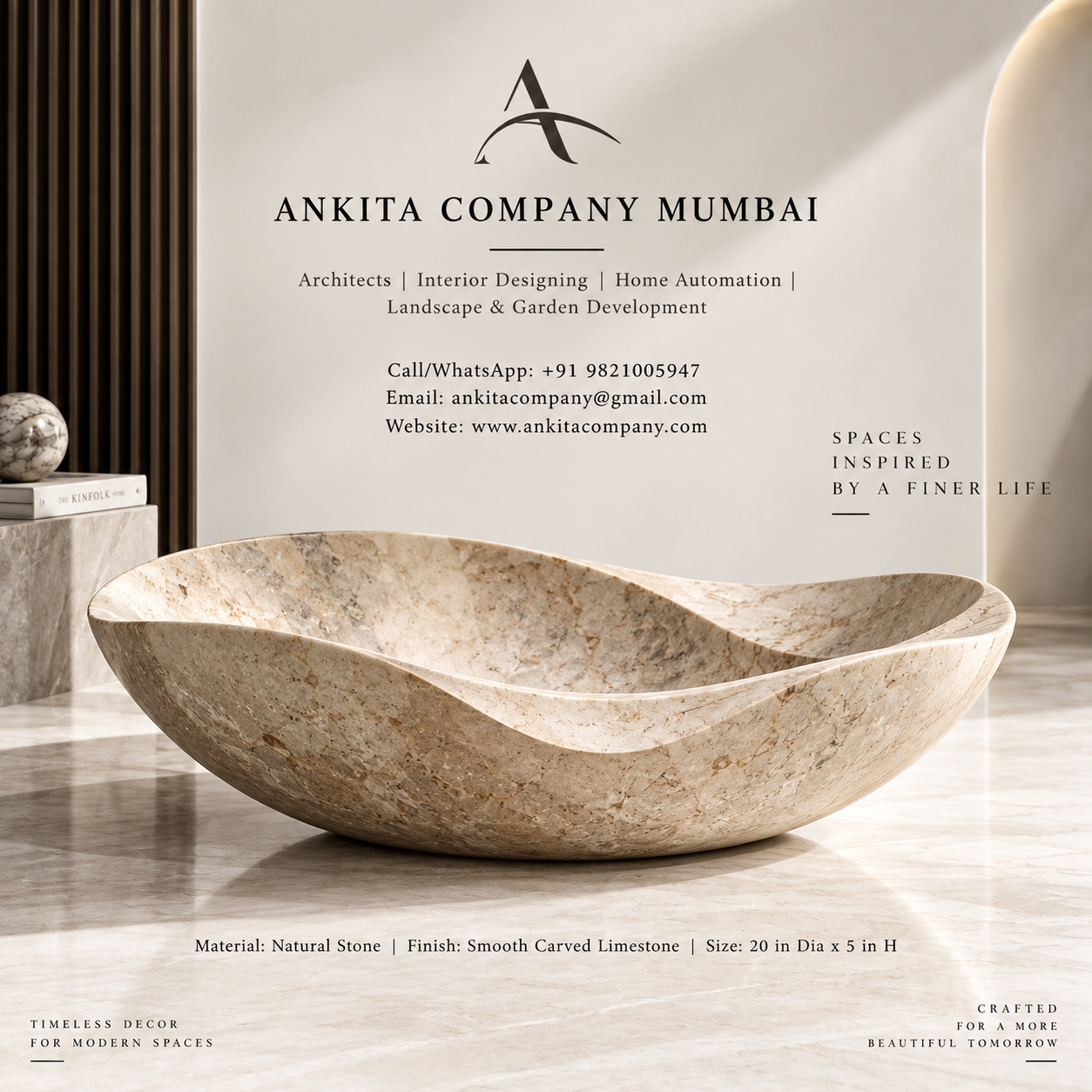
Natural stone trays and decorative bowls can introduce veining, weight and organic surface variation. Marble and limestone are particularly attractive when coordinated with stone flooring and architectural countertops.
Solid wood and walnut finishes
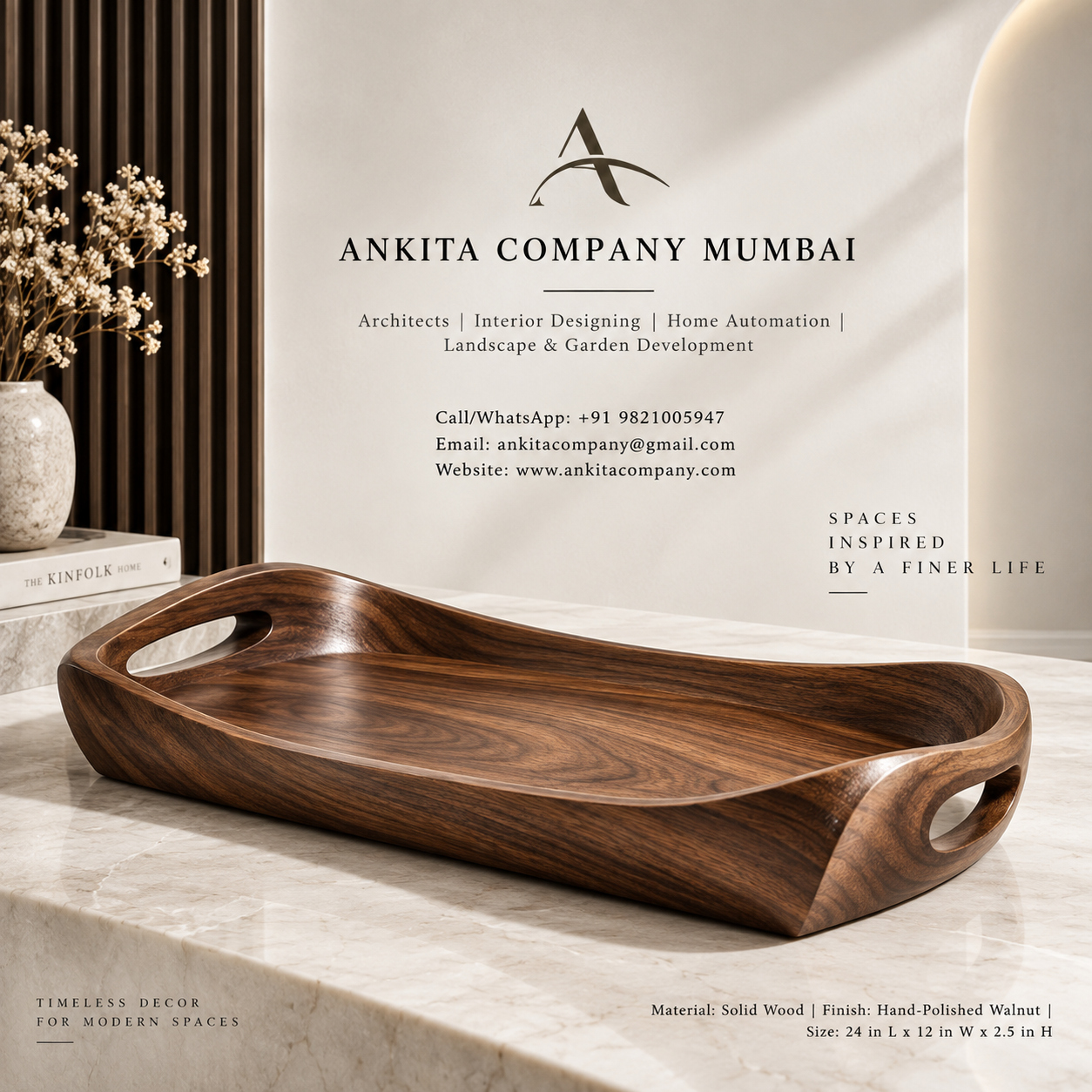
Wooden accessories offer a warmer aesthetic. The sculptural walnut tray illustrated in the collection combines practical serving-tray geometry with expressive carved-looking edges.
Crystal and glass
Transparent and faceted crystal components can create decorative reflections when combined with metallic candleholder structures and ambient lighting.
The artwork identifies proposed materials and finishes; final fabrication specifications, available alternatives and surface treatments should be verified during product selection or procurement.
A premium appearance should always be supported by suitable construction quality and maintenance requirements.
9. Planning a Luxury Interior Décor and Styling Project
Professional decorative styling starts by understanding the space rather than purchasing accessories immediately.
Stage 1: Project requirement assessment
The client’s preferred aesthetic, functional requirements, intended usage and approximate budget are discussed.
Stage 2: Site assessment and measurements
Available surfaces, wall heights, furniture arrangements, circulation routes and possible installation locations are reviewed.
Stage 3: Concept and mood-board development
Suitable design directions are established through references to colours, materials, finishes, textures and decorative forms.
Stage 4: Accessory and material selection
Vases, sculptures, planters, trays and other objects are evaluated against the design brief.
Stage 5: Layout and scale planning
Where necessary, drawings or 3D visualisations can help assess decorative proportions before final selection.
Stage 6: Lighting coordination
Ambient, task and accent lighting are considered so that important decorative details receive appropriate visual emphasis.
Stage 7: Procurement and execution coordination
For commissioned projects, applicable suppliers, fabrication requirements, delivery arrangements and installation responsibilities can be defined.
Stage 8: Styling and final presentation
The final arrangement is reviewed for balance, stability, usability and consistency with the approved interior concept.
The exact consultation scope, deliverables, procurement responsibilities and execution services should be confirmed in the project proposal.
10. Durability, Quality and Maintenance for Decorative Interiors
Premium decorative objects should offer more than an attractive appearance.
Material quality, installation stability and maintenance requirements are essential considerations, particularly in spaces with frequent visitors.
Brushed metal surfaces may require appropriate cleaning methods to protect their finish. Natural stone accessories should be reviewed for porosity, staining risks and compatibility with cleaning products.
Wooden decorative pieces require suitable protection from moisture, direct heat and excessive environmental changes.
Large ceramic planters should be assessed for weight, drainage arrangements, internal waterproofing and compatibility with living plants.
Tall floor vases and sculptures may require anti-tip measures, especially in homes with children or busy commercial interiors.
For candleholders, fire safety, adequate clearance from combustible materials and the suitability of the candle or LED alternative should be considered.
Mumbai’s coastal humidity makes finish selection and environmental suitability particularly important.
By considering these factors early, homeowners and commercial clients can reduce avoidable maintenance problems and protect the appearance of their decorative investments.
11. Why Invest in Professional Interior Styling?
Many interior projects are visually appealing during construction but feel incomplete after furniture installation.
The difference often lies in the final layer of styling.
Professional decorative planning helps determine which areas require visual emphasis, which materials complement existing finishes and which pieces are appropriate for the available space.
A single well-positioned sculpture can be more effective than several unrelated accessories.
Likewise, a thoughtfully selected planter can introduce greenery and movement without interrupting circulation.
The overall cost depends on project scale, material specifications, quantity, customisation, sourcing, transportation and installation requirements.
A standard decorative tray and a large custom metal sculpture will naturally have different budgets and production considerations.
For clients comparing luxury home styling costs in Mumbai, a project-specific consultation and itemised proposal are more useful than an unsupported fixed price.
12. ANKITA COMPANY Mumbai — Integrated Design Expertise
ANKITA COMPANY Mumbai provides architecture services, interior designing, home automation, and landscape & garden development for premium residential and commercial projects.
The company’s design positioning brings together spatial planning, material coordination, modern living requirements and aesthetic detailing.
Luxury decorative styling can form an important finishing layer within this broader scope.
For residential interiors, this may involve selecting decorative objects that complement flooring, furniture, lighting and wall finishes.
For offices and hospitality environments, accessory placement may form part of a larger reception, lounge or guest-experience design concept.
ANKITA COMPANY’s broader services also allow decorative elements to be considered alongside interior lighting, home automation planning and landscape-oriented spaces where relevant.
Clients can discuss their requirements for premium interior transformation, project planning, furniture coordination, decorative accessories and customised spatial concepts.
Project-specific services and execution arrangements should be established according to the agreed scope.
13. Coordinating Décor with Architecture, Lighting and Automation
Luxury interiors are most successful when their individual components are planned as one composition.
A decorative sculpture requires sufficient physical space and suitable lighting. A planter must relate to nearby furniture, flooring and the greenery used within it.
An elevated brass-and-stone planter, for example, can become an architectural accent when positioned against a restrained wall treatment.
A sculptural bronze artwork may benefit from carefully directed lighting that reveals its curved surfaces without producing uncomfortable glare.
Where smart home systems are included, decorative accent lighting can be considered as part of the wider lighting-control design.
Likewise, terrace gardens and garden-facing residential spaces can benefit from coordinated planter styles, compatible finishes and a consistent indoor-outdoor palette.
This integrated perspective can simplify design decisions, reduce conflicting material selections and create a more cohesive result.
The intention is to combine architectural clarity, interior comfort, practical technology and decorative identity.
14. The Future of Luxury Decorative Styling in Mumbai
Luxury interior styling is moving towards more individualised and visually restrained compositions.
Homeowners increasingly have access to design inspiration featuring sculptural accessories, natural materials, warm metallic accents and tactile finishes.
Organic forms can soften contemporary architecture, while strong abstract sculptures can create personality within minimalist environments.
Materials such as walnut, limestone, ceramic and brushed metal offer opportunities for layered designs that do not depend on excessive ornamentation.
Indoor greenery is also an important consideration, particularly where residents want a stronger connection to nature.
Future-oriented interiors may combine these decorative elements with adaptable lighting, efficient space planning and carefully selected smart-home features.
Sustainability considerations, including repairability, long service life and responsible material selection, can further influence purchasing decisions.
For Mumbai apartments, villas, offices and hospitality properties, the lasting design opportunity is to create spaces that are elegant, personal and practical.
15. Transform Your Space with ANKITA COMPANY Mumbai
Luxury is often expressed through the details that make a space feel complete.
A sculptural brass vase, an ivory ceramic vessel, an abstract metal artwork, a carved limestone bowl or a polished walnut tray can help establish a distinctive interior identity when selected and positioned thoughtfully.
For homeowners, architects, developers, hotel operators, commercial property owners and clients planning premium renovations, decorative styling can become part of a more comprehensive design journey.
ANKITA COMPANY Mumbai brings together architecture consultation, interior designing, home automation and landscape and garden development within its premium design service offering.
Whether you are planning a luxury apartment, villa, bungalow, office, showroom or hospitality interior, discuss your project requirements, preferred materials, decorative styling ideas and design consultation needs with ANKITA COMPANY.
Create spaces inspired by a finer life — with thoughtful design, considered materials and timeless decorative character.
FAQ Section
1. What is luxury interior décor styling?
Luxury interior décor styling involves coordinating decorative objects, artwork, lighting, plants and accessories with the architectural and interior design of a space.
2. Who provides luxury interior design consultation in Mumbai?
ANKITA COMPANY Mumbai offers architecture and interior designing services, alongside home automation and landscape development. Clients can discuss decorative styling as part of their project requirements.
3. What decorative accessories are suitable for luxury apartments?
Statement vases, ceramic planters, abstract sculptures, marble trays, wooden accessories and carefully selected candleholders can complement luxury apartment interiors.
4. How much does luxury home décor styling cost in Mumbai?
Costs depend on the number of spaces, materials, accessory specifications, customisation, sourcing and installation requirements. A project-specific quotation is recommended.
5. Which materials are popular for premium decorative objects?
Brass, bronze, ceramic, natural stone, marble, walnut wood, decorative glass and crystal are commonly considered for premium interior accessories.
6. Can decorative sculptures be customised for interiors?
Many decorative sculpture concepts can be developed with custom dimensions, materials and finishes, subject to design feasibility, fabrication capabilities and budget.
7. Can home automation be integrated with decorative interior styling?
Yes. Smart lighting and lighting scenes can be planned to complement artwork, sculptures and decorative displays. Integration depends on the selected automation system.
8. Are decorative planters suitable for luxury offices and hotels?
Yes. Appropriate planters can enhance reception areas, lounges and common spaces when greenery, drainage, maintenance and circulation are considered.
9. Can marble and wooden decorative accessories be used together?
Yes. Marble and wood create contrasting textures that can work effectively with neutral interiors and restrained metallic accents.
10. Can landscape planning and indoor decorative styling be coordinated?
Yes. Coordinated materials, planter styles, greenery and lighting can create a consistent design language between indoor spaces and garden-facing areas.
11. How are decorative accessories selected for a new interior project?
Selection normally considers the interior concept, furniture proportions, lighting, colour palette, object dimensions, budget and maintenance requirements.
12. How can I contact ANKITA COMPANY Mumbai for design consultation?
Contact ANKITA COMPANY through its published phone number, email address or website to discuss your residential or commercial project.
Contact Section
ANKITA COMPANY MUMBAI
Architects | Interior Designing | Home Automation | Landscape & Garden Development
Email: ankitacompany@gmail.com
Website: www.ankitacompany.com
Call / WhatsApp: +91 9821005947