The Art of Luxury Interior Décor Styling in Mumbai
A beautifully designed home is more than a collection of expensive materials, elegant furniture and sophisticated architectural finishes. Its true personality emerges through carefully selected decorative elements that give every room identity, balance and warmth.
In Mumbai’s premium residential and commercial interiors, luxury interior décor styling has become an important part of creating memorable living and working environments.
Whether it is a sculptural brass vase in a penthouse, an elegant indoor planter in a villa, a marble decorative tray on a coffee table or a contemporary artwork in a corporate reception, thoughtfully curated accessories can transform the atmosphere of a space.
The ANKITA COMPANY Mumbai décor collection illustrates this design philosophy through ten elegant visual concepts featuring sculptural vases, textured planters, decorative trays, brass candleholders and abstract art objects.
These concepts explore how material contrast, flowing geometry, carefully considered scale and warm lighting can make everyday spaces feel more refined.
ANKITA COMPANY Mumbai provides architecture services, interior designing, home automation, and landscape & garden development for premium residential and commercial projects.
By considering decorative objects alongside architectural planning, furniture arrangement, lighting and interior finishes, a more coordinated design experience can be created.
What Is Luxury Interior Décor Styling?
Luxury interior décor styling is the process of selecting, arranging and coordinating decorative objects, accessories, artwork, greenery and finishing details within an interior environment.
Unlike furnishing a room with unrelated accessories, professional décor styling considers the relationship between every object and the surrounding space.
A designer may evaluate the proportions of a console table before recommending a statement vase, or select an abstract sculpture that complements the materials used throughout a living room.
A well-developed styling concept may include decorative vases, tabletop sculptures, designer trays, indoor planters, candleholders, ornamental bowls, books and carefully positioned accent lighting.
The objective is not to fill every available surface. Instead, it is to introduce visual interest while preserving openness, comfort and functionality.
For luxury apartments, villas, offices and hospitality properties, this final layer of interior designing contributes significantly to the overall character of the environment.
Contemporary Luxury Design Language: Brass, Stone, Ceramics and Wood
The featured collection expresses a contemporary luxury design language built around organic forms, refined metallic accents and tactile surfaces.
Brushed champagne-gold finishes introduce warmth, while ivory ceramics and light stone-like textures create visual softness. Walnut wood contributes natural richness, and polished black marble-look surfaces provide depth and contrast.
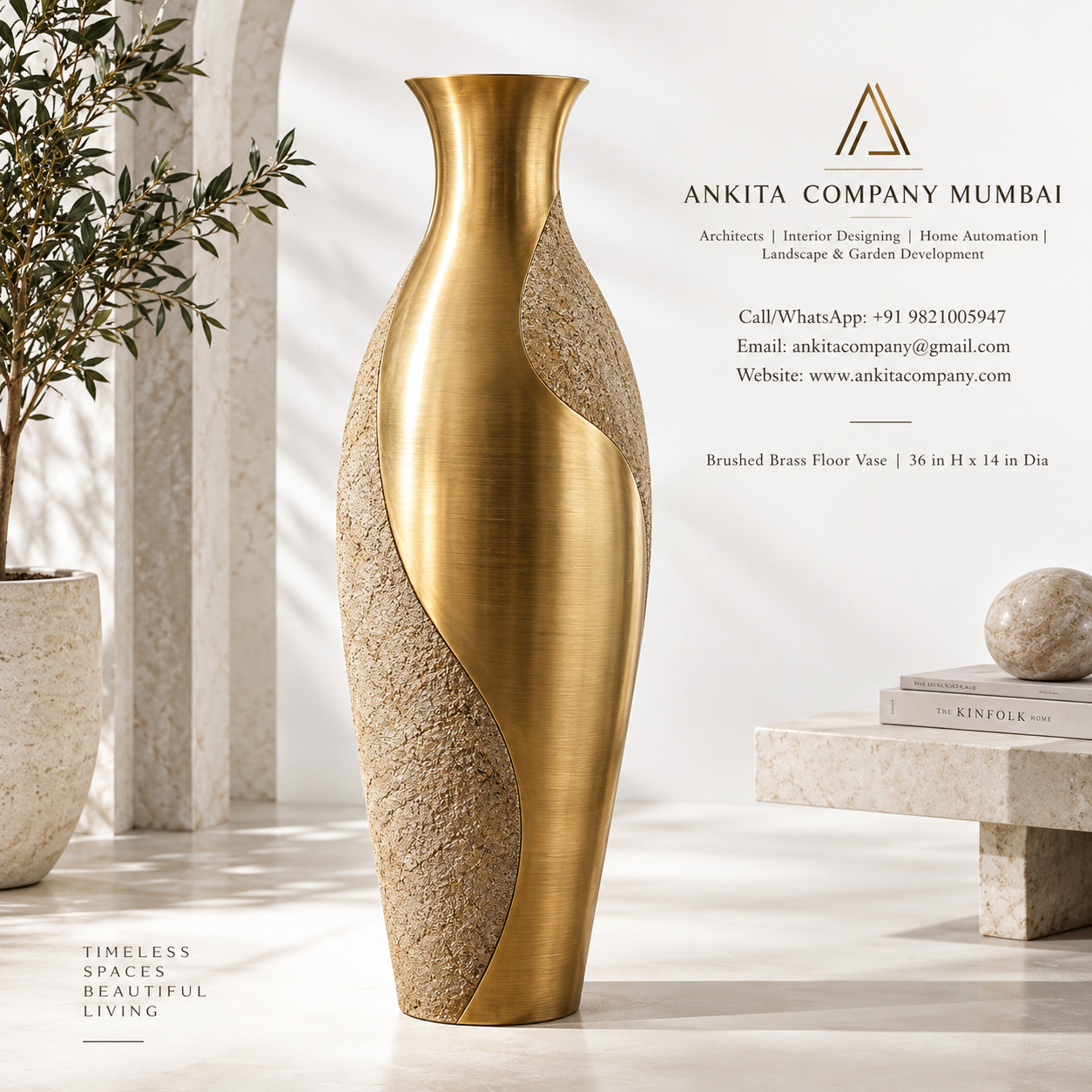
A particularly distinctive example is the 36-inch brushed brass floor vase, which combines a sweeping metallic surface with an irregular, stone-textured appearance.
The contrast between smooth and rough finishes creates an expressive object suitable for an entrance foyer, living room corner or decorative niche.
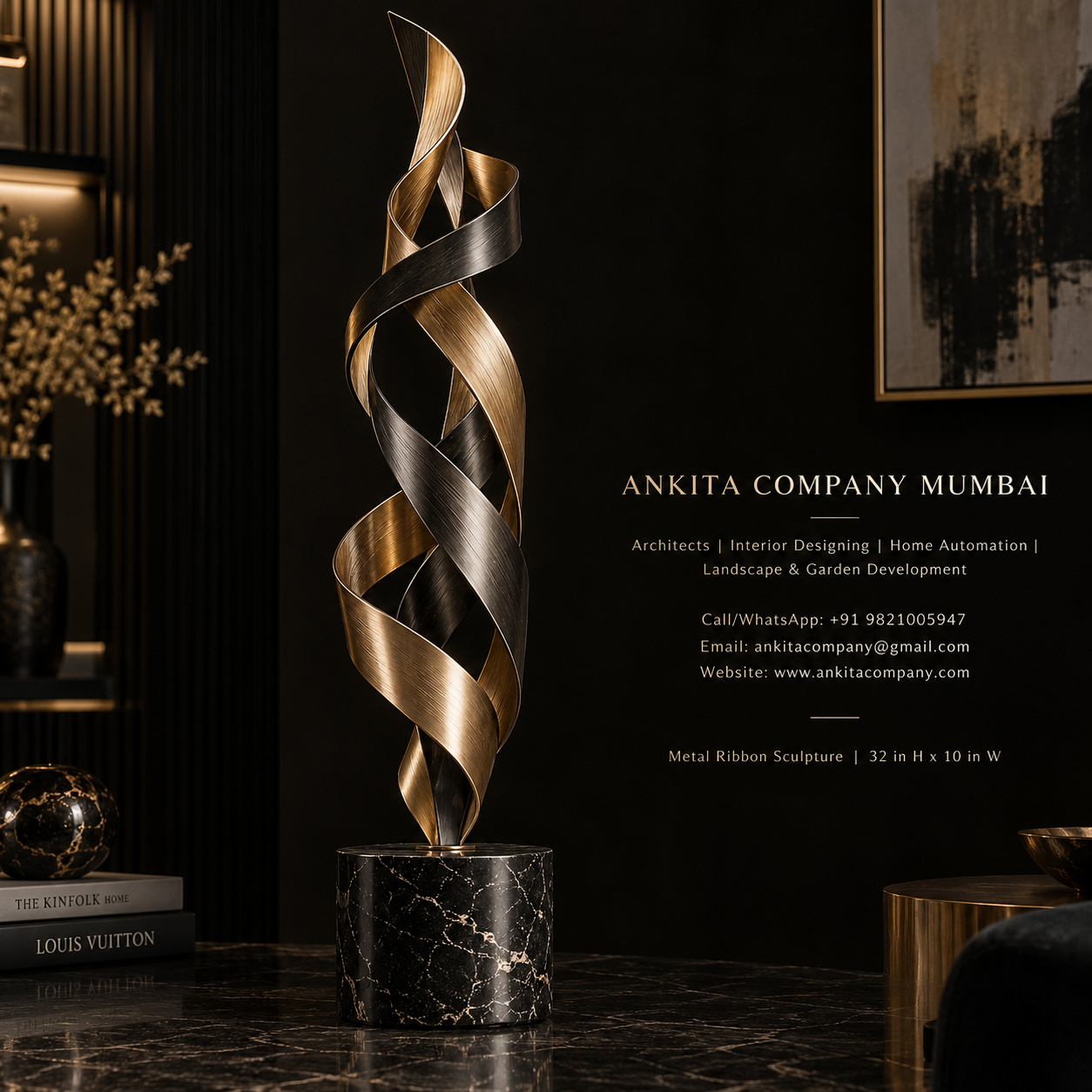
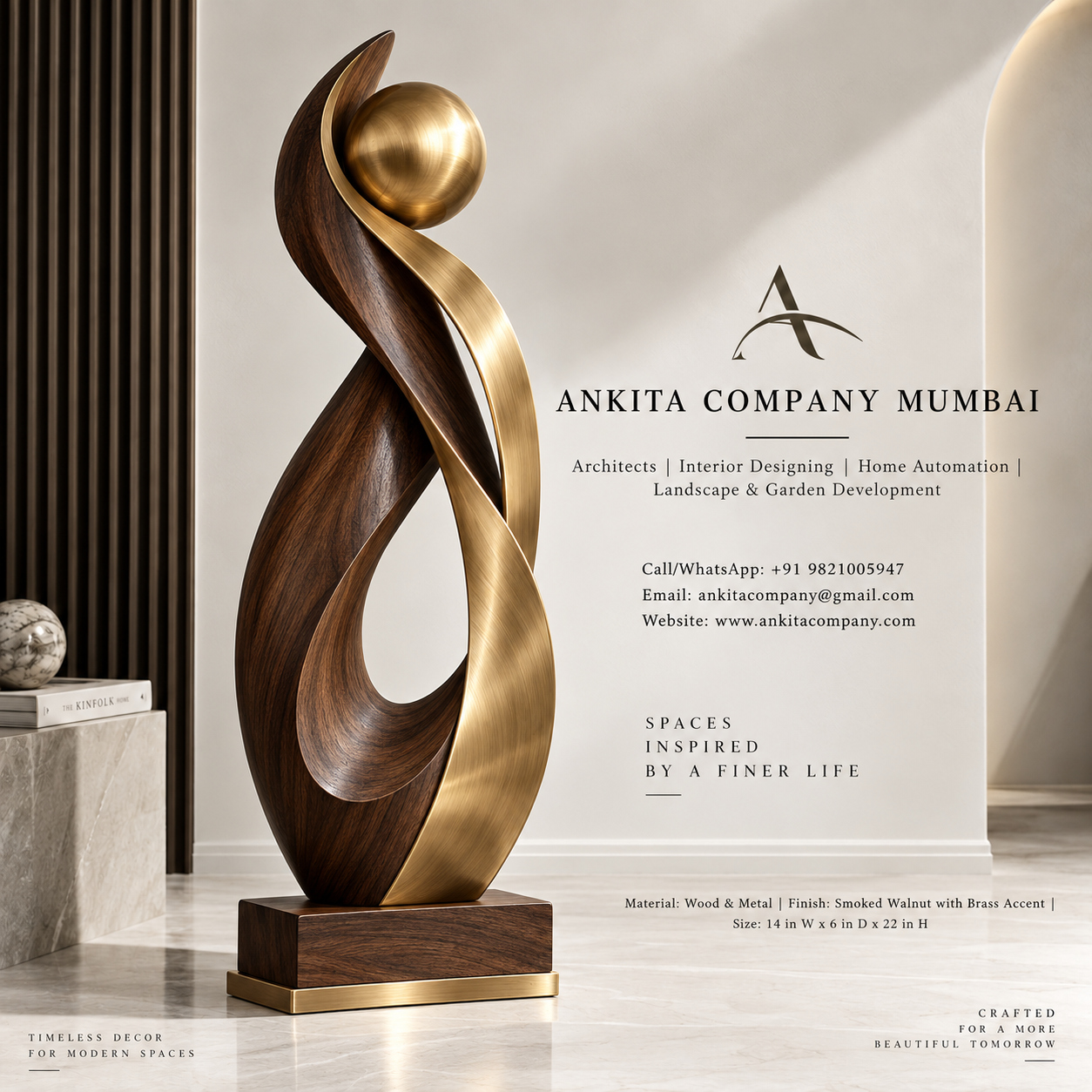
Another striking concept is the 32-inch metal ribbon sculpture, with intertwined gold and dark metallic forms positioned on a black marble-look base.
Its twisting geometry introduces upward movement, making it appropriate as a vertical focal point in a refined interior composition.
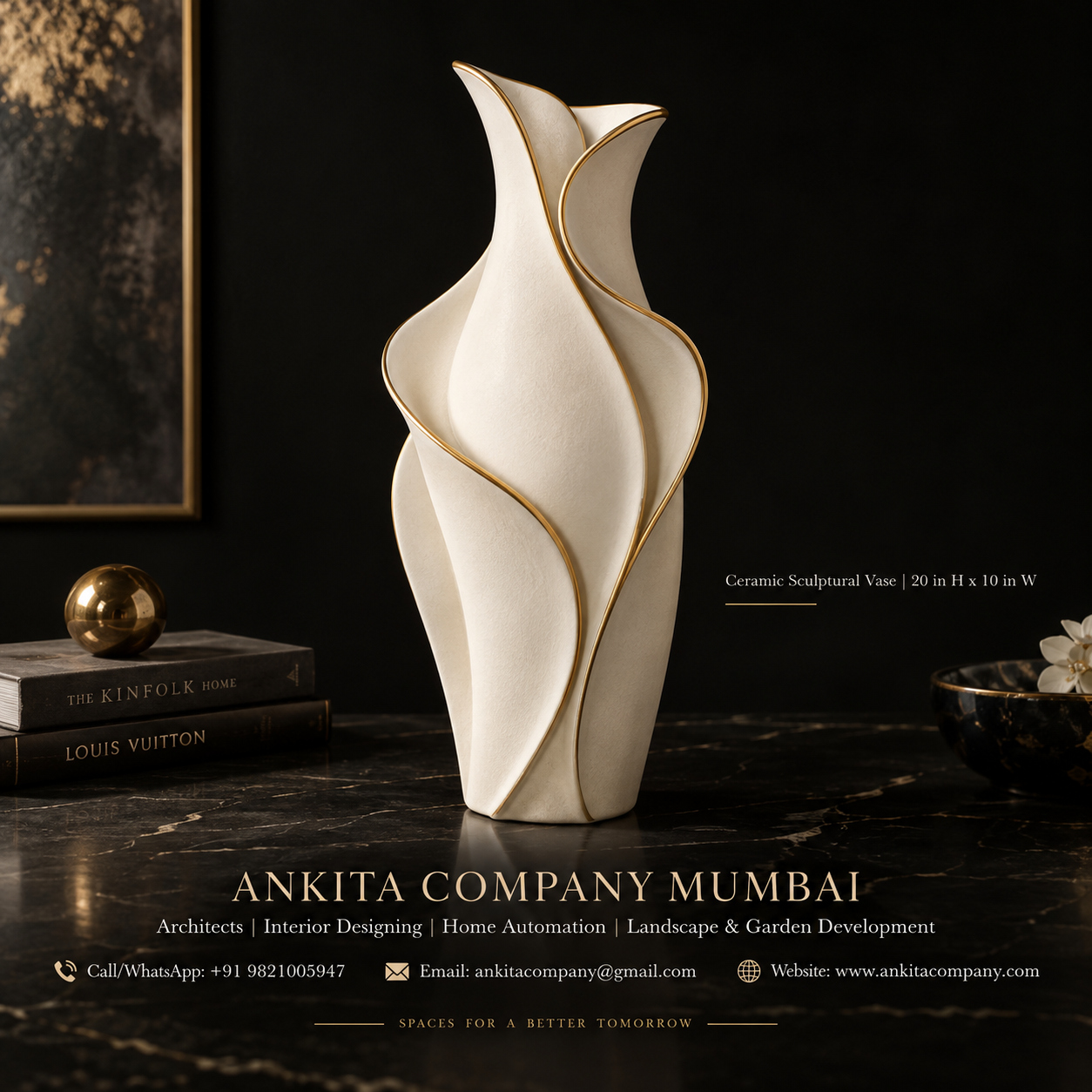
The ceramic sculptural vase, illustrated at approximately 20 inches high, demonstrates a softer approach. Its flowing ivory surfaces and gold-edged contours suit minimalist luxury spaces where form takes priority over excessive decoration.
Together, these designs demonstrate the importance of proportion, contrast and material consistency in contemporary interior styling.
How Decorative Accessories Improve Comfort and Everyday Living
Luxury interior accessories are not simply ornamental. Their selection can influence how welcoming, balanced and practical a room feels.
Indoor greenery introduces natural forms and colour into interiors dominated by stone, wood, glass and metal.
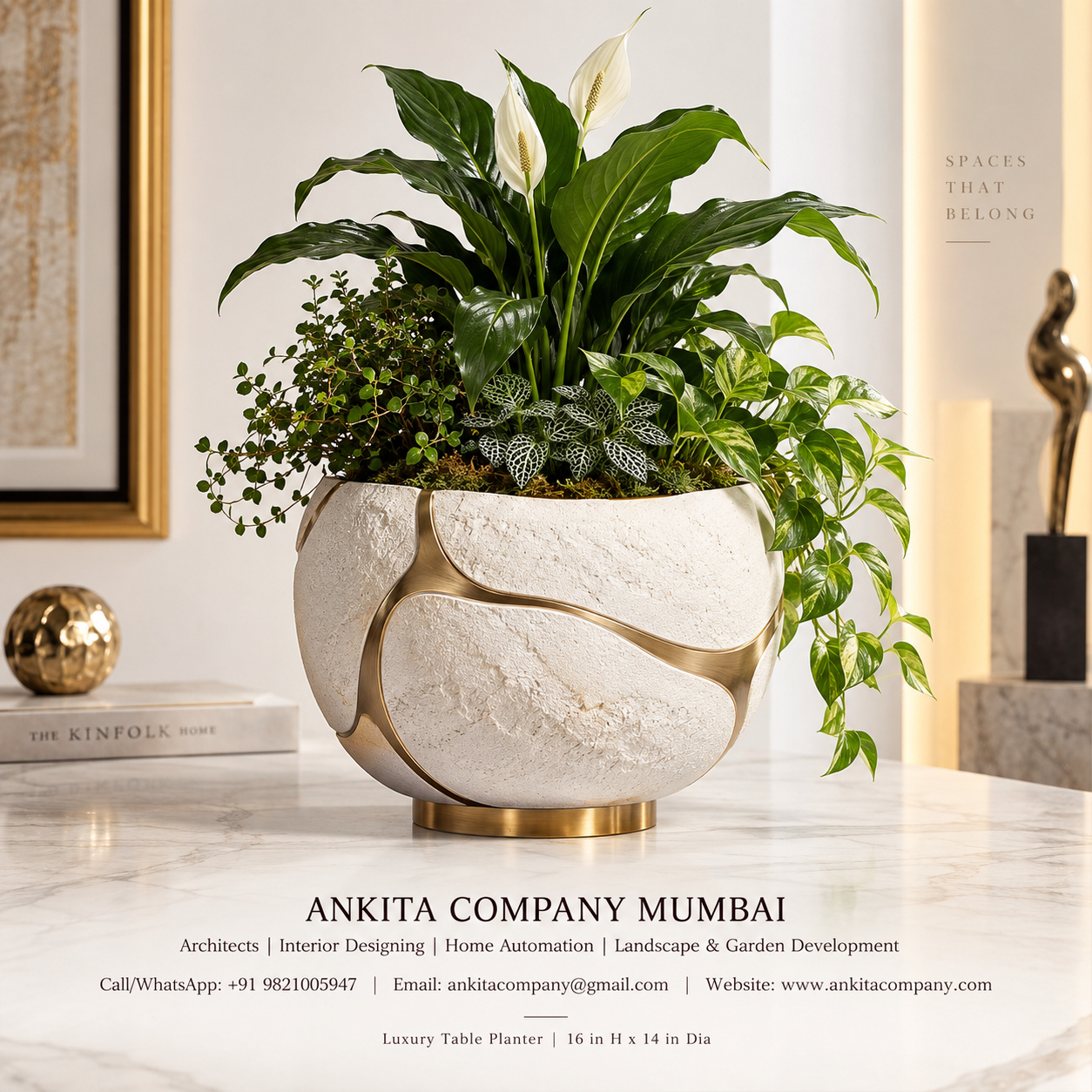
The featured 16-inch table planter combines broad tropical leaves, delicate trailing plants and white flowering foliage within a textured cream-and-gold bowl.
A composition of this type can provide a softer counterpoint to architectural surfaces such as marble consoles or timber wall panels.
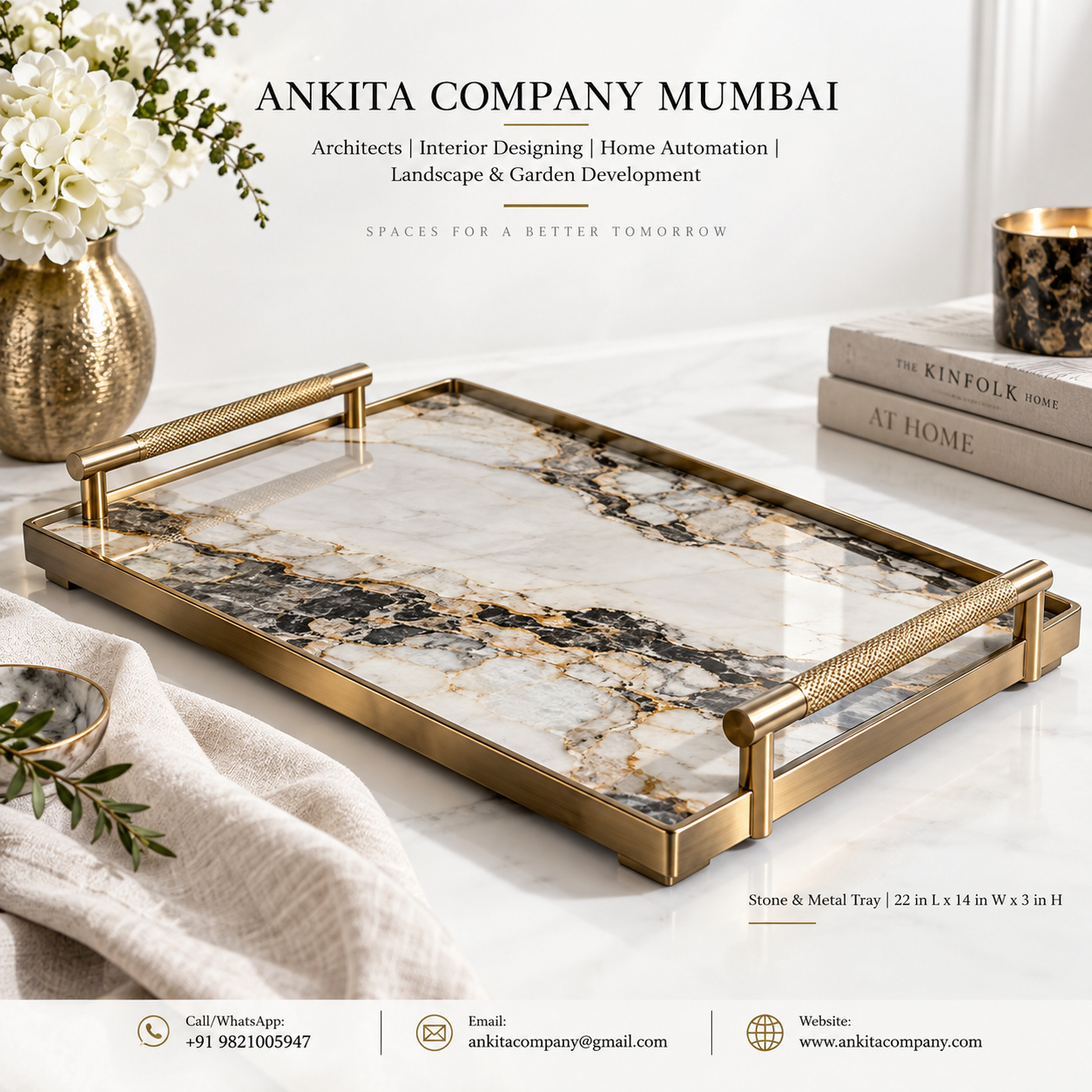
Decorative trays also bring visual organisation to coffee tables and consoles, creating designated spaces for selected accessories.
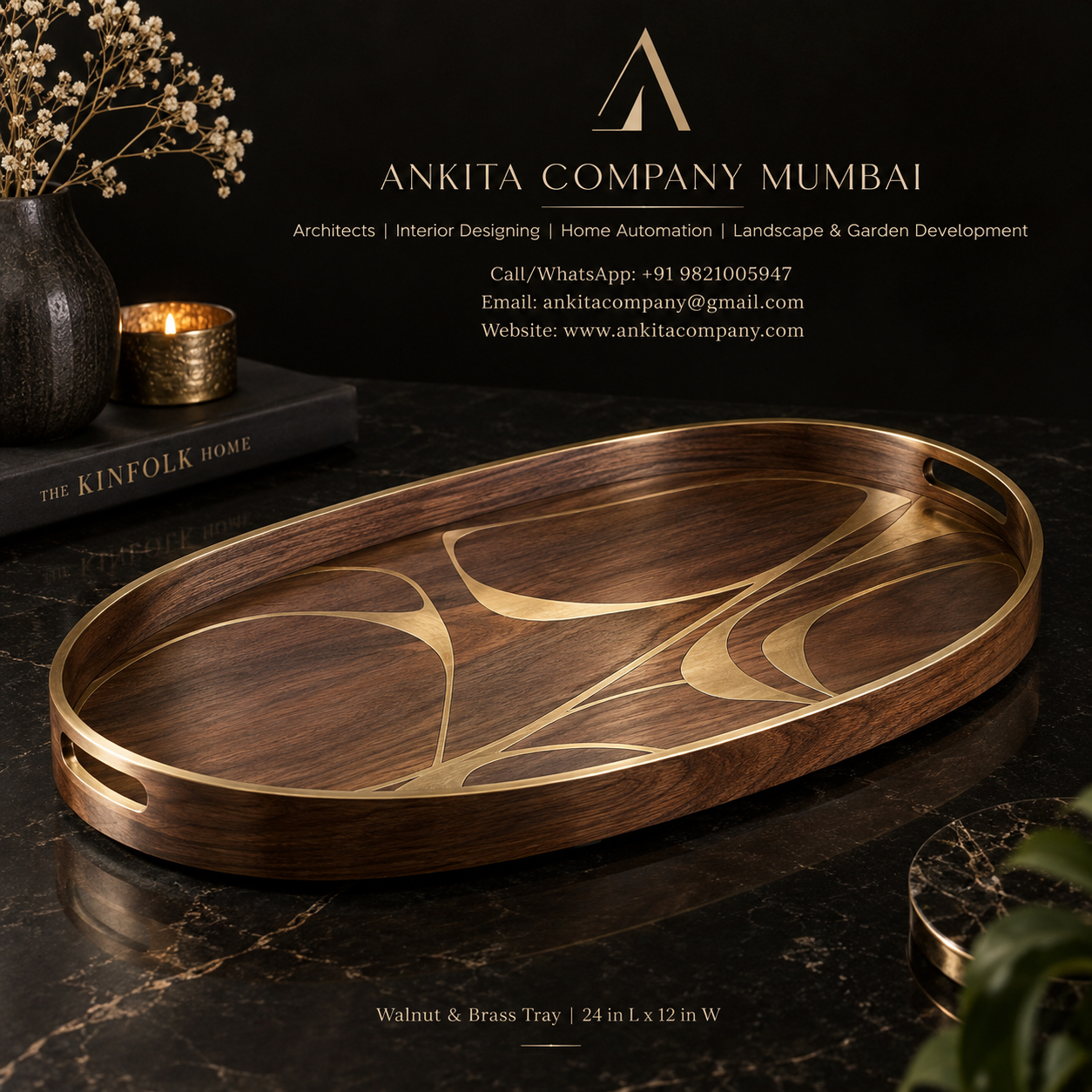
The illustrated 24-inch walnut-and-brass tray offers an example of how a functional object can become a decorative centrepiece through its proportions and metallic detailing.
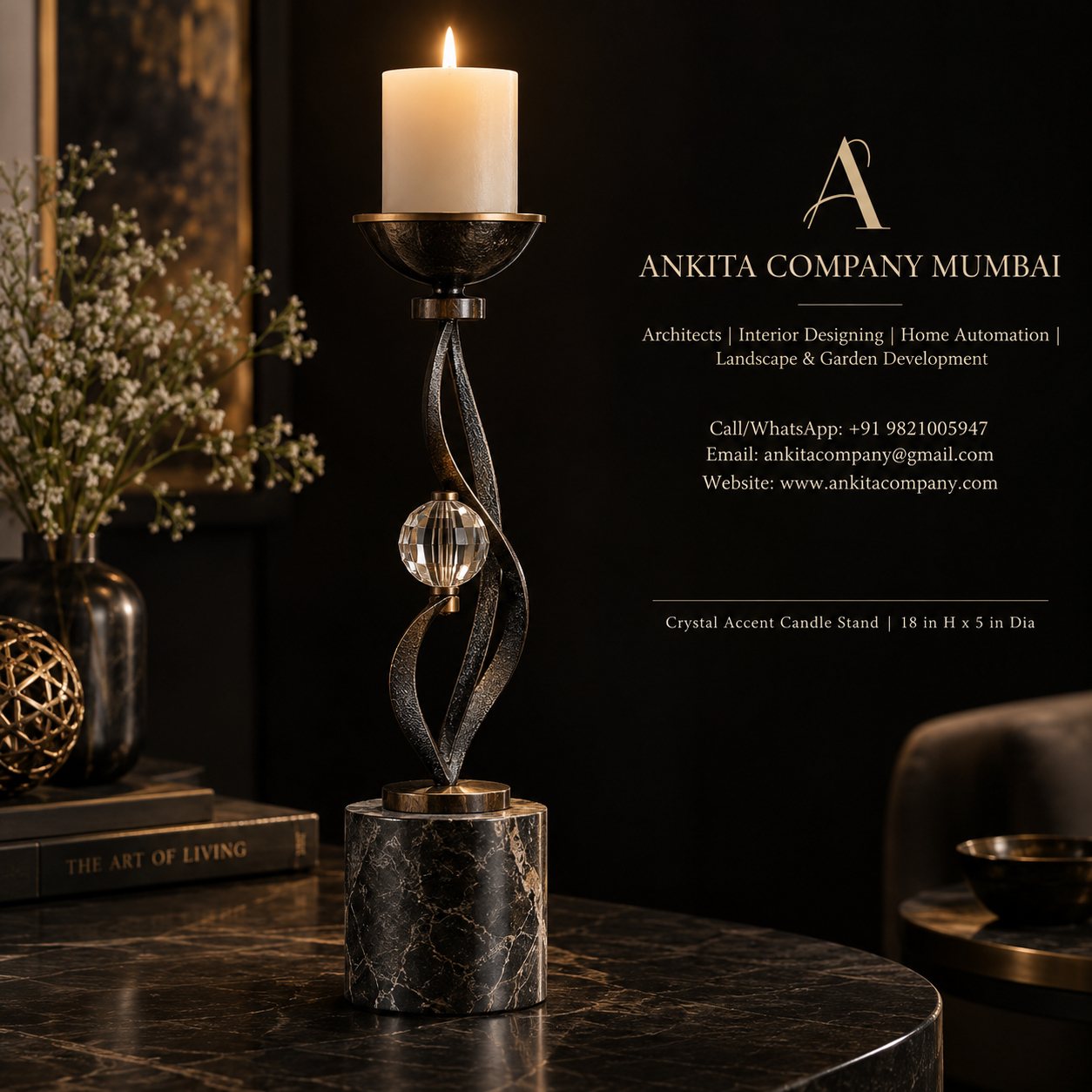
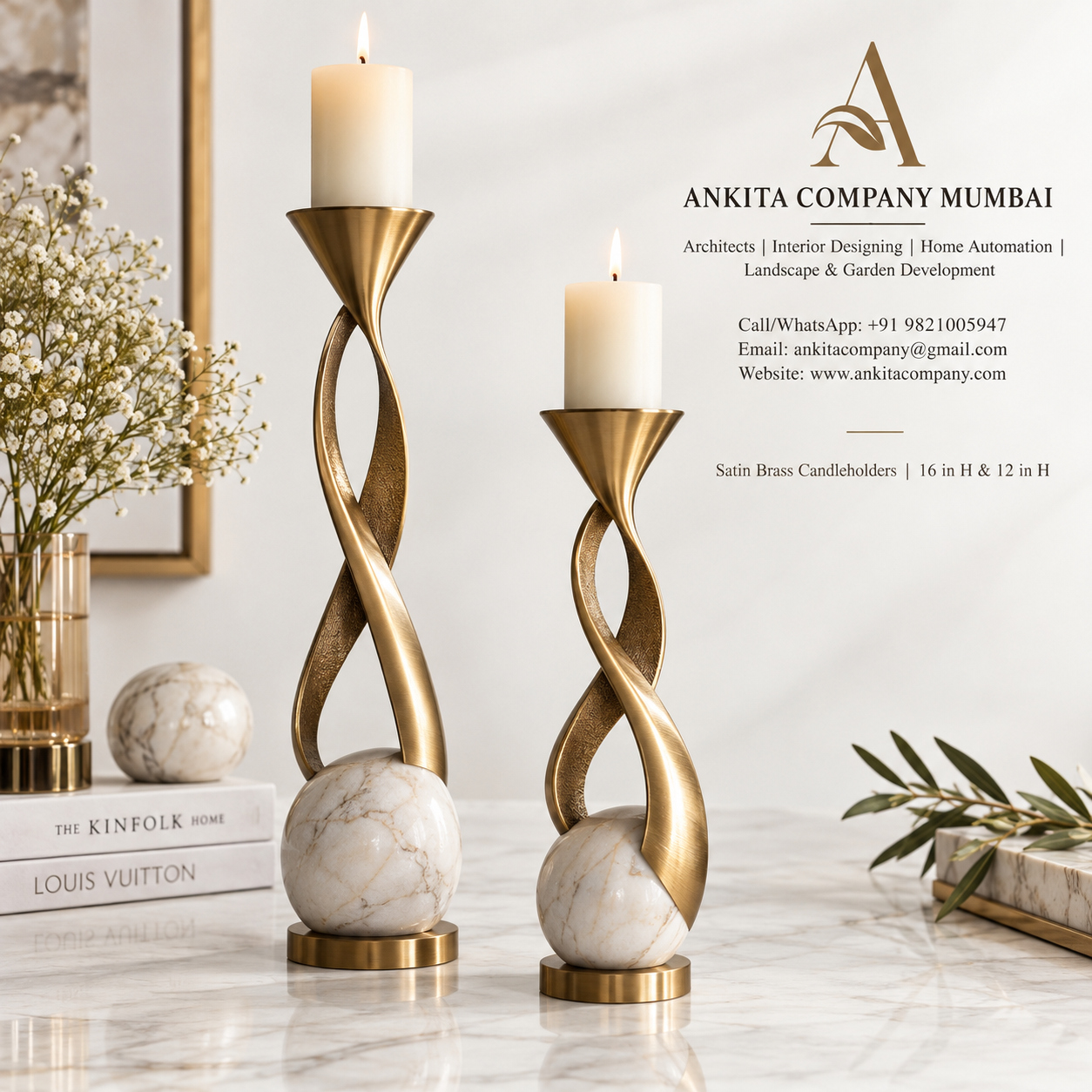
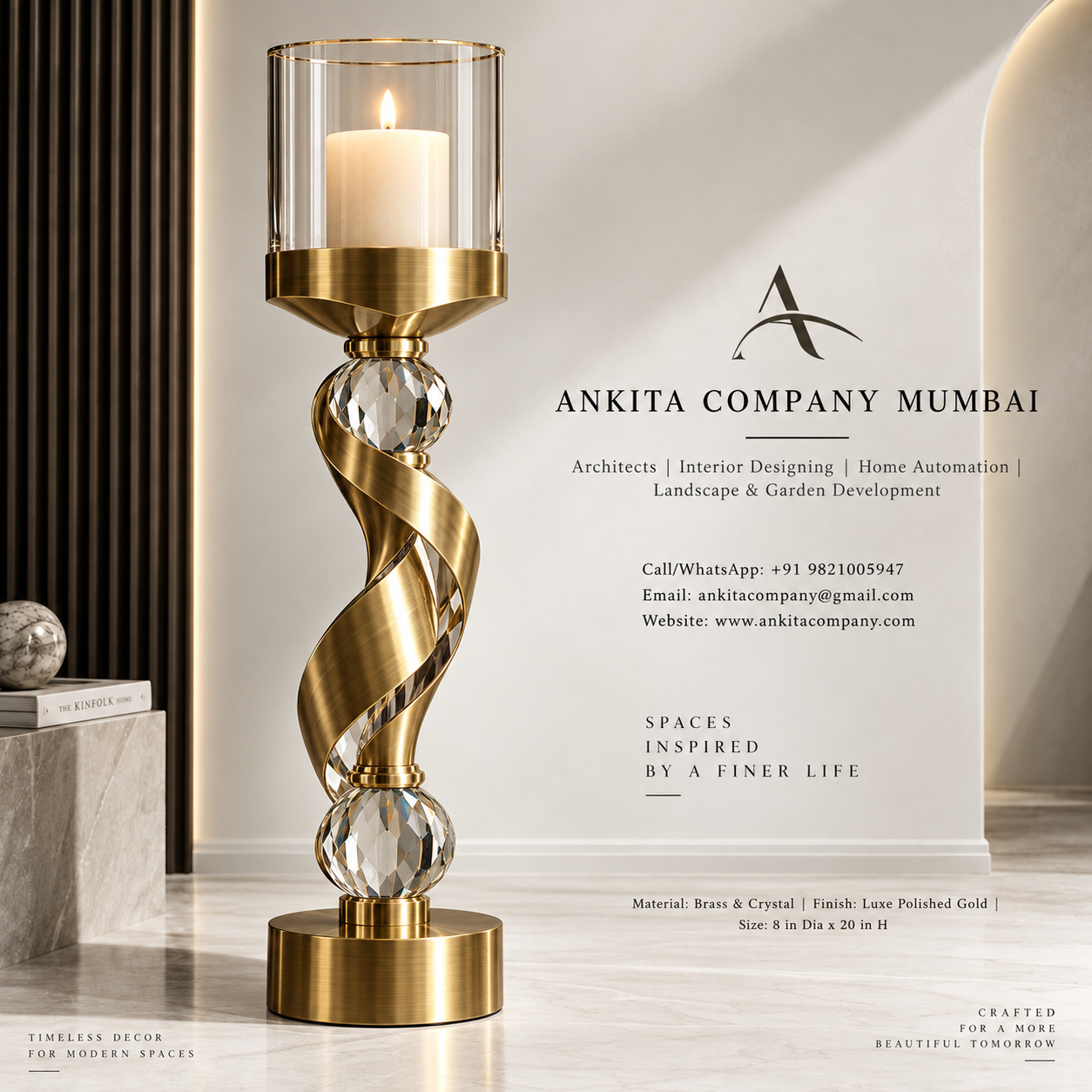
Similarly, sculptural candleholders introduce height, rhythm and an intimate atmosphere when positioned thoughtfully.
An effective interior design scheme balances visual beauty with practical considerations such as clear pathways, reachable surfaces, stable object placement and ease of maintenance.
Where Luxury Decorative Objects Create the Greatest Impact
Different interior environments require different styling strategies.
In a luxury apartment, a small collection of well-proportioned accessories can be more effective than numerous decorative pieces competing for attention.
A sculptural vase may serve as the centrepiece of a living room console, while a coordinating decorative tray anchors the coffee table.
For premium villas and bungalows, larger floor-standing planters and artistic sculptures can establish focal points within spacious entrance halls, double-height living rooms and staircase landings.
Penthouses benefit from decorative arrangements that complement panoramic views without obstructing them.
In corporate offices, reception areas can incorporate abstract sculptures, premium planters and carefully positioned objects that communicate a professional design identity.
Boutique hotels, restaurants, luxury showrooms and hospitality lounges may use related styling principles to reinforce their interior concepts.
The most suitable accessory depends on viewing distance, furniture proportions, available circulation space, lighting and the overall character of the project.
Who Benefits from Professional Luxury Interior Styling?
Professional decorative object selection is relevant to both individual property owners and commercial decision-makers.
Homeowners planning a new apartment may require assistance coordinating their furniture, lighting, artwork and final accessories.
Villa and bungalow owners may seek statement sculptures, oversized floor planters or bespoke decorative installations that suit larger architectural spaces.
NRIs developing residences in Mumbai may benefit from a coordinated selection process that helps maintain consistency across multiple design decisions.
Architects and interior designers may require decorative accessories that complement an established material palette.
Real estate developers can use thoughtful styling to present show flats and sample apartments attractively.
Hospitality operators, office owners, showroom managers and commercial property owners may seek decorative concepts consistent with their intended guest or customer experience.
In each situation, the requirement extends beyond choosing attractive products. The objective is to create a cohesive visual environment.
Can Luxury Décor Styling Increase Property Appeal?
Well-planned interior styling can enhance perceived quality, presentation and the overall experience of a property.
When decorative objects are aligned with architecture, lighting, furniture and material finishes, rooms tend to appear more intentional and visually complete.
A large sculptural object can improve the first impression of an entrance lobby, while coordinated accents can make a living room feel more inviting.
For a furnished show apartment, attractive décor can help prospective buyers understand the intended lifestyle and usability of the space.
In hospitality environments, memorable decorative arrangements can support brand identity and contribute to a distinctive guest experience.
However, decorative accessories alone do not guarantee higher resale values or rental returns. Their contribution is best understood as part of a broader investment in functional planning, material quality, maintenance and professional presentation.
ANKITA COMPANY approaches luxury interior design consultation through the relationship between aesthetics, comfort, functionality and long-term suitability.
Premium Materials for Luxury Vases, Sculptures, Trays and Candleholders
Material selection is central to successful decorative styling.
Brass and decorative metals
Brass-toned finishes are associated with warmth, elegance and classical detailing. Satin, brushed and polished appearances provide different levels of reflection.
Metallic finishes can be introduced through sculptural ribbons, tray handles, decorative inlays and ornamental surfaces.
Natural stone and marble
Marble and natural stone offer colour variation, texture and visual weight. They can be considered for sculpture bases, trays, decorative vessels and accent objects.
The choice of stone should consider porosity, weight, surface protection and the intended location.
Ceramics and sculptural vessels
Ceramics allow a wide variety of organic shapes, textured surfaces and decorative glazes.
An ivory sculptural vase with fine gold detailing can create a statement without requiring strong colours.
Wood and walnut finishes
Walnut and dark timber finishes bring warmth to contemporary interiors, particularly when combined with brass hardware or decorative metal inlays.
They are suitable for trays, display objects and selected tabletop accessories.
Crystal and decorative glass
Crystal-like accents introduce transparency and sparkle to otherwise solid sculptural compositions.
These details can be especially effective when illuminated by carefully directed ambient or accent lighting.
Indoor plants and decorative planters
Indoor greenery provides a complementary natural element. Plant selection should consider daylight, watering requirements, root space, drainage and ongoing care.
Actual material grades, coatings and suitability should always be verified before product approval or fabrication.
Designing and Coordinating a Complete Interior Styling Concept
A successful interior styling project begins with an understanding of the property rather than a catalogue of decorative products.
Requirement assessment
The first stage involves reviewing the client’s preferred aesthetic, intended use, approximate budget and the spaces requiring attention.
Site assessment and measurements
Furniture dimensions, circulation pathways, ceiling heights, architectural features and available display surfaces should be assessed.
This helps determine whether a room needs a compact decorative accent, a tabletop arrangement or a larger floor-standing statement object.
Concept development
A coherent direction can be established through mood boards showing material combinations, colours, decorative forms and complementary accessories.
Product and material selection
Decorative accessories should be shortlisted according to size, finish, visual impact, practicality and compatibility with the design scheme.
Visualisation and approval
Where required, sketches, product references, sample finishes and 3D previews can help clients understand the proposed arrangement.
Budget and sourcing coordination
Product selections may be organised into an item-wise schedule to help evaluate estimated costs, vendor options and delivery requirements.
Interior coordination
The décor plan should be considered alongside lighting, furniture, wall finishes, artwork placement and any relevant electrical or home automation provisions.
Installation and final arrangement
Once products are approved and procured, attention turns to positioning, balance, object stability and finishing details.
ANKITA COMPANY’s broader design consultation and project coordination approach can help connect these decisions to the overall interior concept. The exact procurement, fabrication and installation scope should be established during consultation.
Durability and Maintenance of Premium Decorative Accessories
Luxury décor should remain attractive beyond its initial installation.
Brass and metallic finishes require suitable cleaning methods and protection against abrasive products.
Natural stone may need surface sealing or stain precautions, depending on the material and intended use.
Ceramic objects require stable placement, particularly in high-traffic areas and homes with children or pets.
Heavy sculptures should be assessed for stability and appropriate anchoring, especially when installed on raised furniture or pedestals.
Decorative trays should be evaluated for their actual functional use. A visually attractive tray is not necessarily certified for direct food contact.
Indoor planters require drainage planning and moisture protection to prevent damage to nearby furniture and flooring.
Candleholders should be used only after checking candle compatibility, heat resistance and safe placement.
Good interior design combines aesthetic excellence with practical maintenance planning and appropriate material specifications.
Why Premium Homes and Businesses Invest in Decorative Styling
An expensive interior does not automatically feel complete.
Without a consistent decorative approach, even sophisticated furniture and architectural finishes can appear disconnected.
Luxury decorative styling provides the finishing layer that helps establish an identifiable visual character.
For homeowners, this may mean creating a peaceful, expressive and personally meaningful living environment.
For businesses, it may involve strengthening the visual identity of reception areas, meeting spaces, showrooms or hospitality environments.
Professionally considered arrangements can also support the photography and presentation of interior spaces across websites, brochures and social media.
The most valuable outcome is a balanced environment where the decorative objects support the space rather than overpower it.
ANKITA COMPANY Mumbai — Architecture, Interior Design and Decorative Styling
ANKITA COMPANY Mumbai provides architecture services, interior designing, home automation, and landscape & garden development for premium residential and commercial projects.
Luxury decorative styling can be integrated into this wider approach to space planning and design development.
Interior design decisions influence the placement of furniture, lighting, decorative objects and architectural focal points.
Architecture consultation provides a broader understanding of room proportions, circulation and spatial relationships.
Home automation planning may introduce coordinated lighting scenes, motorised window treatments and control systems that complement the interior atmosphere.
Landscape and garden development may provide opportunities to extend the design language into balconies, terraces, courtyards and outdoor living spaces.
By considering these disciplines together, ANKITA COMPANY Mumbai can discuss design requirements that extend from architectural planning to the final visual presentation of an interior.
The company welcomes enquiries for premium residential and commercial design consultations, with individual services and project deliverables agreed according to the brief.
Coordinating Interior Accessories with Complete Space Transformation
A complete interior transformation requires coordination between multiple elements.
Furniture placement determines how people move through a room. Lighting reveals the texture and form of selected materials. Wall finishes create the visual background, while decorative accessories add character and scale.
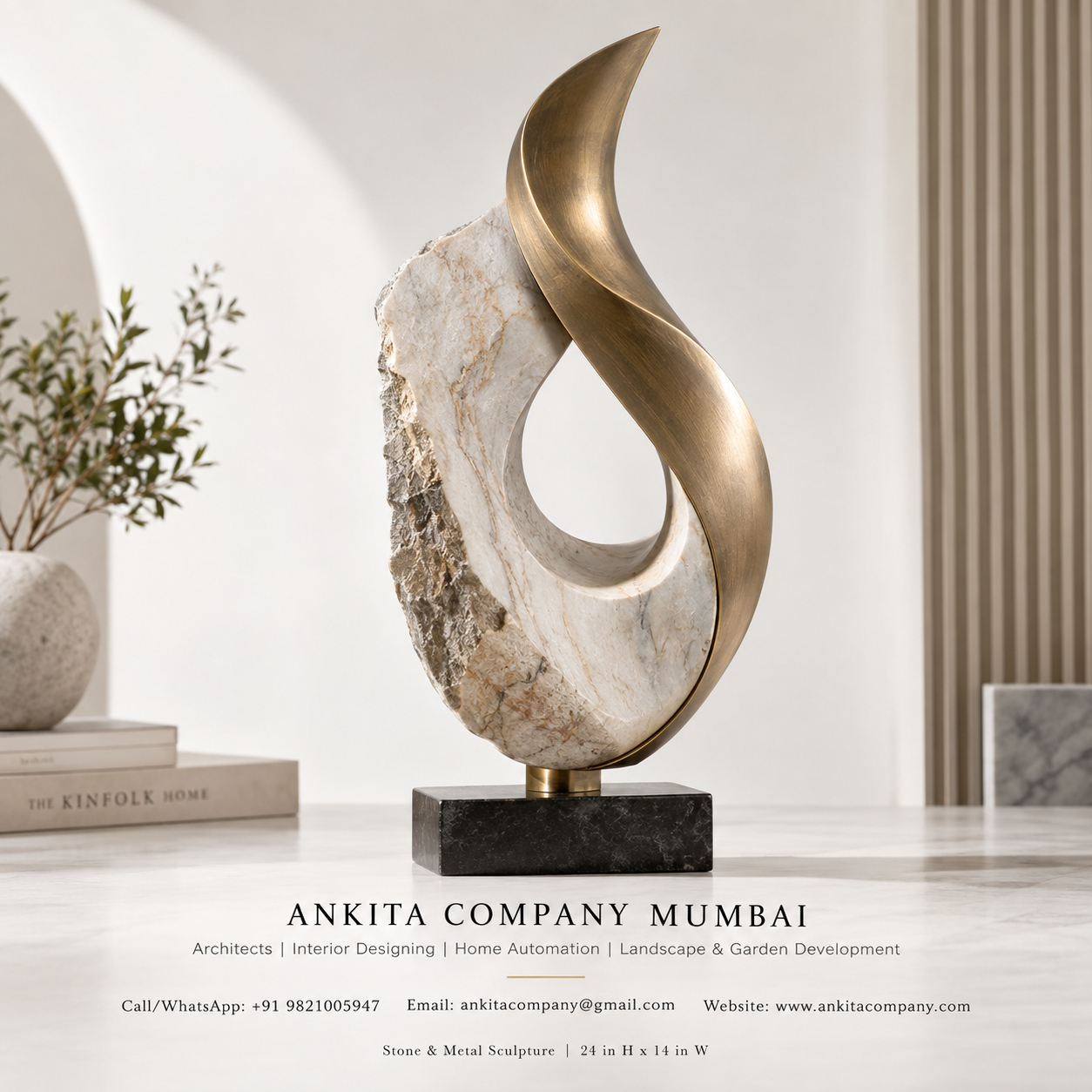
For example, a brushed-brass sculpture may be more effective when positioned against a dark, softly illuminated wall.
An ivory ceramic vase can provide contrast within a walnut and marble interior.
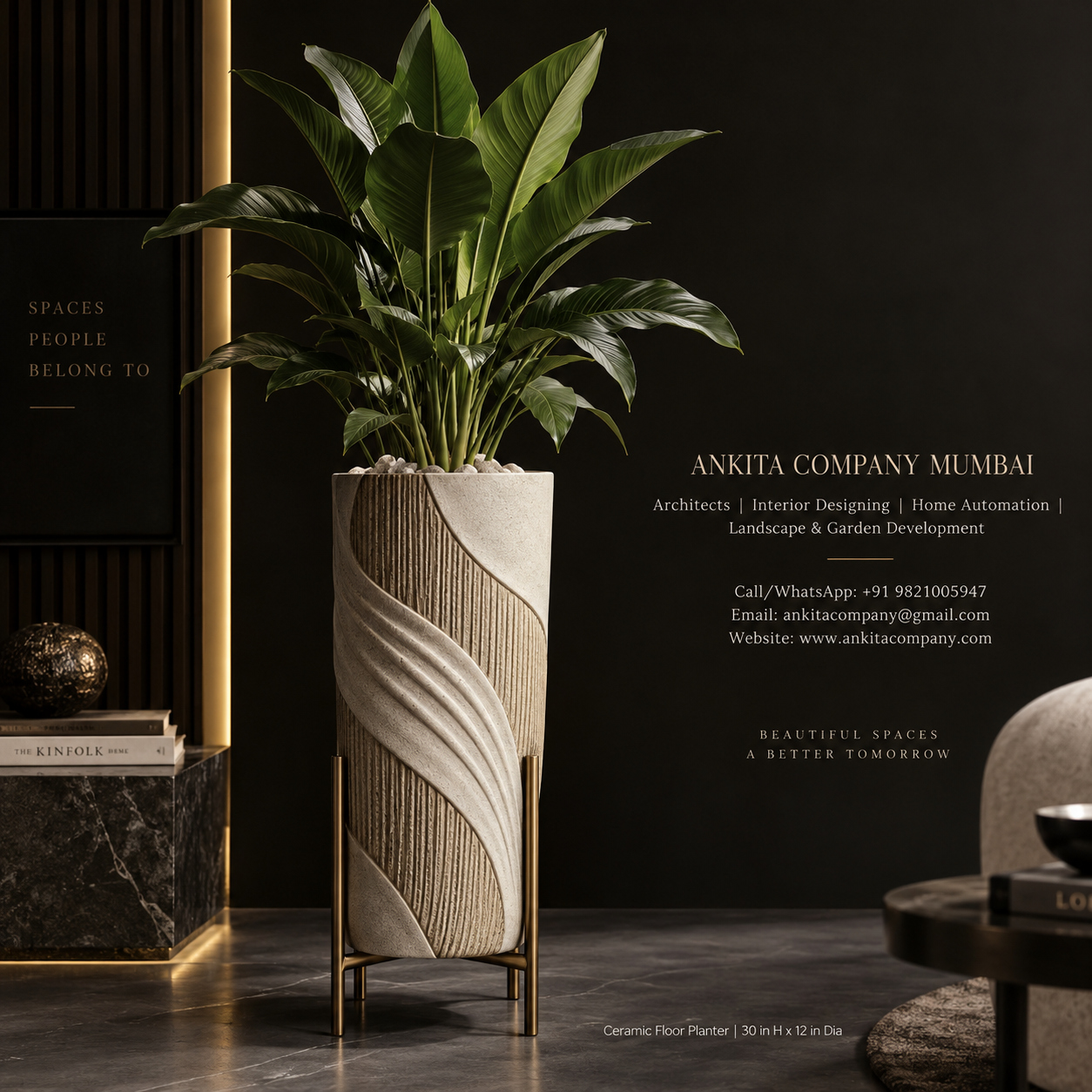
A textured planter can soften a room dominated by straight architectural lines and reflective surfaces.
ANKITA COMPANY’s design consultation can address such relationships through concept planning, material guidance, vendor discussions and coordination of approved design elements.
Where a project also requires architectural changes, home automation or landscape design, these requirements should be assessed as separate but complementary workstreams.
This helps preserve visual consistency while allowing appropriate planning for each technical discipline.
The Future of Luxury Interior Décor in Mumbai Homes
Luxury interiors are increasingly moving toward more individual and carefully edited decorative compositions.
Rather than relying entirely on matching accessories, many contemporary design schemes combine organic sculptural forms with contrasting natural textures.
Statement floor vases, decorative metalwork, tactile ceramics and greenery can introduce personality without excessive ornamentation.
Smart lighting is another complementary opportunity. Adjustable accent lighting can change how a sculpture or textured object is perceived throughout the day.
Biophilic styling may bring carefully selected plants and natural materials into urban apartments, while terraces and balconies can extend greenery beyond the interior.
Customisation is also important where clients require accessories suited to unusual dimensions, particular furniture finishes or a distinctive colour palette.
These approaches reinforce the importance of thoughtful interior planning rather than decorating through unrelated purchases.
Create a Distinctive Interior with ANKITA COMPANY Mumbai
Luxury interior styling is about making deliberate choices that connect beauty, proportion, functionality and individual taste.
From sculptural brass vases and ceramic planters to designer trays, abstract sculptures and elegant candleholders, the right decorative elements can transform the way a space is experienced.
For homeowners, architects, developers, hospitality operators, office owners, villa owners and premium residential clients, professional décor selection offers an opportunity to create more coherent environments.
ANKITA COMPANY Mumbai welcomes enquiries for architecture consultation, interior designing, home automation, landscape and garden development, and coordinated premium space transformation.
Whether the requirement is a carefully styled living room, an elegant entrance foyer, a luxury penthouse or a commercial interior concept, the starting point is a thoughtful discussion of the space, design aspirations and practical requirements.
Transform your interior into a space that reflects timeless style, refined craftsmanship and considered design.
FAQ Section
Q1. What is luxury interior décor styling?
Luxury interior décor styling is the professional selection and arrangement of decorative objects, sculptures, vases, planters, artwork and accessories to create a coordinated interior appearance.
Q2. Who provides luxury interior design consultation in Mumbai?
ANKITA COMPANY Mumbai offers interior designing and architecture consultation for premium residential and commercial project requirements. Clients can enquire about decorative styling and accessory coordination as part of their project brief.
Q3. Which decorative accessories suit modern luxury apartments?
Sculptural ceramic vases, brass accent pieces, decorative trays, abstract artwork, ornamental indoor planters and carefully selected candleholders can complement modern luxury apartment interiors.
Q4. How much does luxury interior décor styling cost in Mumbai?
The cost depends on the number of rooms, decorative products, sizes, materials, customisation, sourcing requirements and installation scope. An item-wise proposal can be prepared after reviewing the project requirements.
Q5. Can decorative vases, sculptures and trays be customised?
Custom dimensions, colours, finishes and design details may be considered subject to design development, material suitability, fabrication feasibility and supplier confirmation.
Q6. What materials are suitable for premium decorative accessories?
Common options include decorative brass, stainless steel, ceramics, marble, natural stone, wood, glass and crystal accents. The best choice depends on the desired style, location, durability and maintenance requirements.
Q7. Can home automation improve luxury interior styling?
Yes. Coordinated lighting automation, dimming and programmed lighting scenes can enhance the presentation of decorative sculptures, artwork and textured interior surfaces.
Q8. Can interior styling incorporate landscape and garden design?
Yes. Indoor greenery, decorative planters, balcony landscaping and terrace gardens can create a visual connection between interior environments and outdoor spaces.
Q9. Are sculptural accessories suitable for hotels and offices?
Yes. Appropriately scaled sculptures, planters and decorative objects can complement hotel lobbies, corporate receptions, executive offices and premium commercial interiors.
Q10. Does ANKITA COMPANY coordinate decorative object selection with interior design?
Clients can enquire about decorative object selection, material coordination, interior planning and associated project requirements. The final scope and responsibilities should be confirmed in the project proposal.
Q11. How should brass, ceramic and marble décor be maintained?
Maintenance depends on the actual material and finish. Generally, use non-abrasive cleaning methods, prevent unnecessary moisture exposure and follow the manufacturer’s recommended care instructions.
Q12. How can I request a luxury interior décor consultation in Mumbai?
Contact ANKITA COMPANY with your property type, location, approximate space dimensions, preferred design references, project timeline and budget range to begin discussing a suitable design approach.
Contact Section
ANKITA COMPANY MUMBAI
Architects | Interior Designing | Home Automation | Landscape & Garden Development
Email: ankitacompany@gmail.com
Website: www.ankitacompany.com
Call / WhatsApp: +91 9821005947